
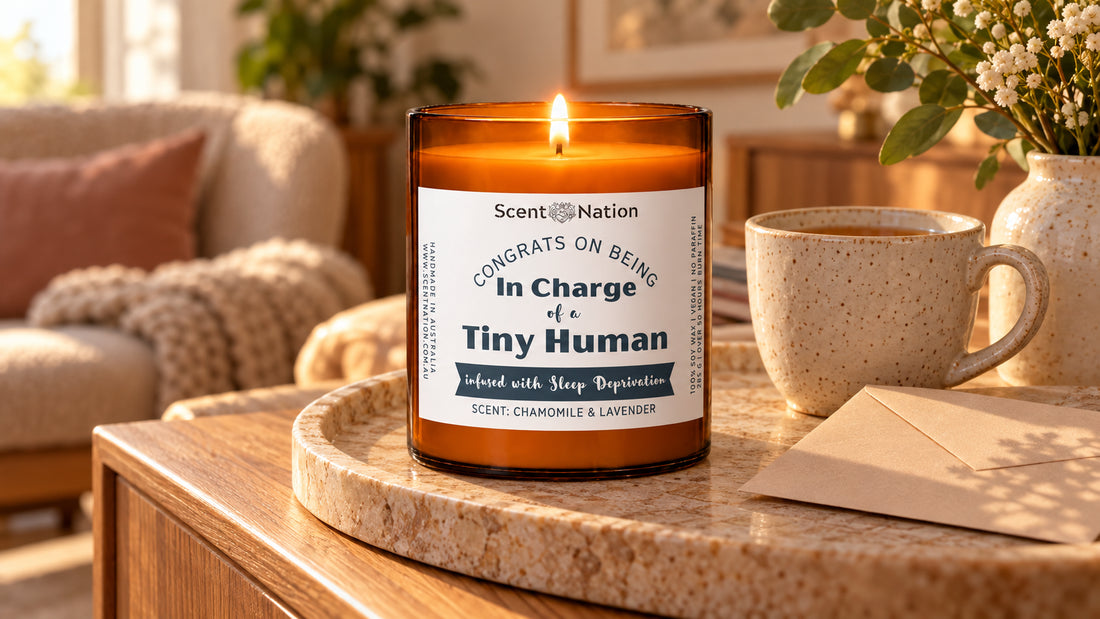
A gift for a new mum can be about her, not only the baby. Start by asking what would be welcome: practical help, food she enjoys, time together or a personal item she would choose for herself.
There is no need to turn the present into advice about parenting, recovery or how she should use her time.
Make practical support specific
Offer something clear and easy to decline: bringing a meal at an agreed time, collecting shopping or helping with a task she has identified. Ask about dietary preferences and household routines before arranging anything.
Avoid arriving unexpectedly or creating a visit she needs to host. The offer should reduce effort rather than add another obligation.
Remember her existing interests
She may still enjoy books, a favourite hobby or a particular kind of outing, even if the way she makes time for it has changed. A flexible gift can acknowledge that part of her identity without implying she should be doing more.
A bookshop voucher, a requested item or a small familiar treat may be more useful than a generic “new mum” hamper. Do not make claims about what will improve sleep, mood or health.
Choose a keepsake only if she wants one
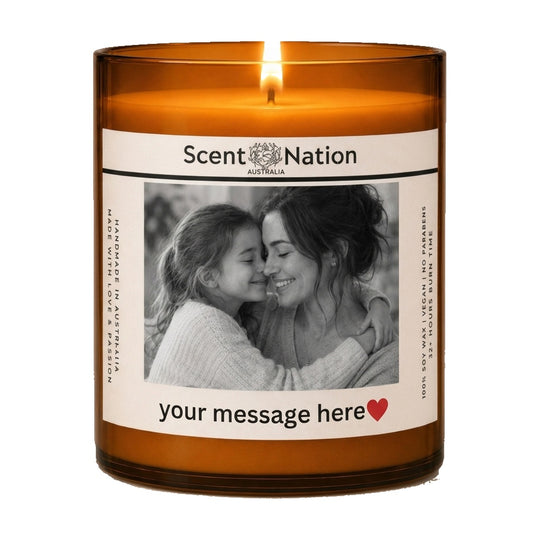
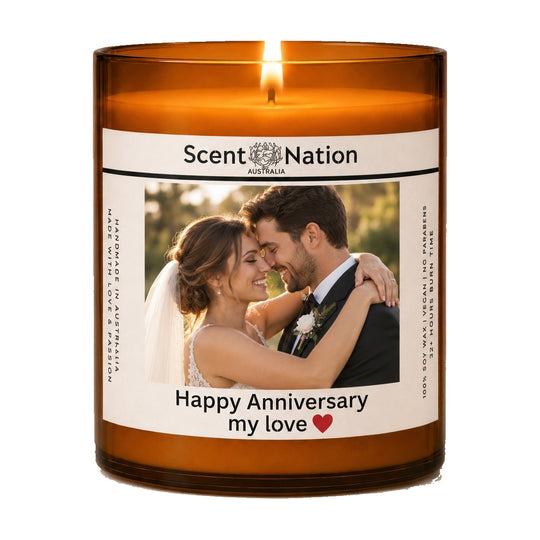
A photograph or short personal message can mark the occasion. Ask which image she likes and get permission before using or sharing it. A candid photograph she dislikes is not made thoughtful by putting it on an expensive product.
Our gifts for Mum collection includes candle options for people who enjoy them. Do not assume that a scented gift suits every household or that a mum-themed label establishes suitability around a baby. A non-fragrance format may be the better choice.
Keep the message free of expectations
Original sample wording includes “Thinking of you, too”, “No need to reply — just sending love” and “For you, whenever you feel like it”. A longer note can recognise something you appreciate about her without evaluating how she is parenting.
Avoid telling her to enjoy every moment or suggesting that the gift should create a particular routine.
A practical guide to new-mum gifts chosen for her
Keep the new mum herself at the centre of the gift. Ask what would make the day easier or more enjoyable, and avoid presenting a gift as a solution to sleep, feeding, mood or recovery. A requested meal, practical help, private note or chosen personal item can recognise her without giving her more instructions or another appointment to arrange.
The situations below are illustrative gift ideas, with original sample wording. They are not customer stories or testimonials. Choose the direction that matches what you know about the recipient, and adapt the words to your own relationship.
Four ways to make the choice more personal
She would welcome a meal
Consider a prearranged food contribution. This direction works because the help removes one task. Before committing, confirm dietary preferences and delivery time.
Possible wording: “Dinner is handled, if that would help”
She wants something personal
Consider a requested present for her own interests. This direction works because the gift recognises her beyond the new role. Before committing, confirm what she wants and already owns.
Possible wording: “A little something that is entirely for you”
She prefers fewer visitors
Consider a quiet note or agreed doorstep delivery. This direction works because the gesture respects her space. Before committing, confirm whether a delivery is welcome.
Possible wording: “No hosting, no reply needed”
She would appreciate practical help
Consider one specific agreed task. This direction works because the offer is clear and manageable. Before committing, confirm her boundaries and preferred timing.
Possible wording: “One less thing for your list”
Three questions to settle before choosing
- Is this for her or for the baby?
- Has the help been requested?
- Does the gift add an obligation?
Give meaning without adding unwanted possessions
When someone prefers fewer objects, start by taking that preference seriously. Ask whether they would enjoy a consumable, shared activity, letter or specific practical help. Do not interpret a request for less clutter as a challenge to find an object too sentimental to refuse. A thoughtful present should leave the recipient free to enjoy it without finding a new place to store it.
A letter can carry a memory that a physical product would otherwise have carried. Describe one moment, explain what it meant to you and finish with a simple wish. Keep the note proportionate to the relationship. There is no need to collect every photograph or recount a whole life when one recognisable detail says enough.
Practical help needs agreement. Name the task, ask whether it would be useful and let the person set boundaries. Offering to help with an errand is different from deciding to reorganise their home. If they accept, arrange a time and follow through. The present is the useful work completed, not the announcement that you might help one day.
For consumables, choose a known preference and an amount they can comfortably use. A large box of unfamiliar products may create the same burden as décor. If you remain unsure, a choice made together can be warmer than a surprise selected against their wishes. The personal part can be your attention, your company and the fact that you listened.
Check food, drink and fragrance preferences separately
A gift theme does not establish a taste. A person who likes quiet evenings may have strong fragrance preferences; a keen cook may avoid particular foods; a reader may prefer neither tea nor coffee. Ask about the relevant preference before adding a consumable. If the detail remains unknown, choose another direction rather than filling the hamper with guesses.
Keep the amount manageable. A small quantity of something the recipient actually enjoys can be more useful than a large mixed selection. Consider how the gift will travel, where it will be stored and whether the person can comfortably use it. Check the current product information for anything important to the choice instead of relying on the theme or appearance.
For a candle, establish that the recipient enjoys using candles before selecting a fragrance. Then use their stated preference or let them choose from the actual options. Read the maker’s instructions and include the supplied care information. Do not describe a fragrance as universally liked or make health, sleep, therapeutic or pet-safety promises as part of the gift idea.
A non-fragrance or non-food alternative is a complete present, not a compromise that needs extra decoration. A letter, photograph, reading accessory or planned experience can carry the same personal connection. Let the practical preferences narrow the choice; the message and memory can supply the warmth.
Make an experience easy to accept and enjoy
An experience becomes a useful gift when the recipient can actually take part. Ask about the activity and availability before buying a fixed booking. Someone can love the idea of an outing and still find its location, date or duration inconvenient. A flexible plan is often easier to enjoy than a surprise that requires rearranging work or family commitments.
Decide what you are giving: the cost of the activity, your company, the planning, transport or a combination. Make that clear in the card. “I would love to take you for lunch; you choose the day” is a different present from a voucher the recipient must arrange alone. Neither is automatically better, but the expectations should be clear.
Check the provider’s current terms before committing. Look at booking requirements, expiry, cancellation arrangements and anything the recipient needs to bring or pay for separately. Do not present a fixed-date booking as flexible if the terms do not support that. Where practical details are important, choose together and let the personal note provide the surprise.
If the real gift is time together, give it a next step. Offer two possible dates, agree on a place or explain who will make the arrangements. Avoid leaving the recipient with an attractive promise that never becomes a plan. You can still include a small keepsake, but only if it adds meaning rather than becoming the main cost of an experience they wanted more.
Keep private details in the right place
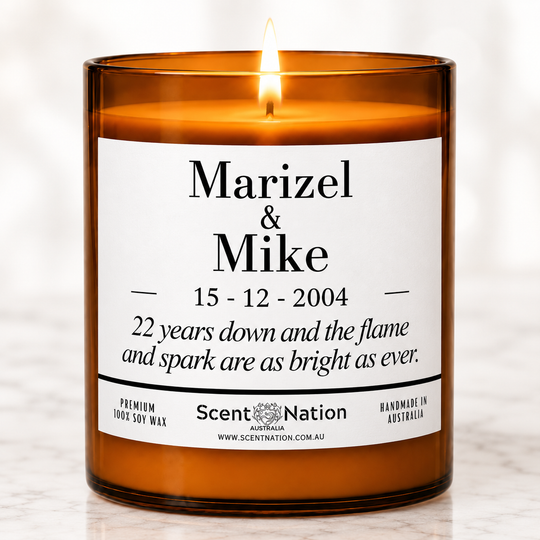
Decide which details belong on a display item and which belong only in the card. A first name and a short phrase can tell a story without showing an address, full birthdate or private family information. More personal data does not automatically make a gift more meaningful. Include only the details needed to express the connection.
Ask before using someone else’s photograph, a private family message or a sensitive memory. The recipient may love the picture in a family album and still prefer not to have it displayed in another format. If several people appear, think about whether the image is suitable for the setting in which the gift will be used.
Separate the gift from public content about the gift. Giving a personal present does not mean the recipient wants a photograph of it posted online. Ask before sharing their image or story, and check whether any visible wording reveals information they keep private. A keepsake can remain meaningful without becoming a public announcement.
For a workplace, school or care-related message, use a specific but appropriate appreciation. Leave confidential details out of a shared card. If you want to explain something personal, write it in a private note instead. The goal is a gift the recipient can enjoy and display comfortably, with control over how much of their story other people see.
Short wording you can adapt
Use these original sample lines as a starting point. Keep the wording that sounds like you, and change or remove anything that does not fit the person. A short line can sit on an appropriate personalised item; the longer explanation belongs in the card. Check the actual customisation options and space available before ordering.
- For you, as well as everything you do
- With love and no instructions
- A little kindness, on your terms
- You do not need to host us
To make a line your own, add one accurate personal detail: the name they use, a memory they recognise or a brief reference to the occasion. You do not need to use all three. Read the result aloud before deciding whether it belongs on the gift itself or in a private note.
Let timing be flexible
Ask when a delivery or visit would be convenient. If sending a parcel, confirm the address and check the shipping information. A gift does not have to arrive immediately to be thoughtful.
For personal formats, see our personalised-gift guide. The best choice is the one she can receive comfortably, including a simple offer of support without a product attached.