
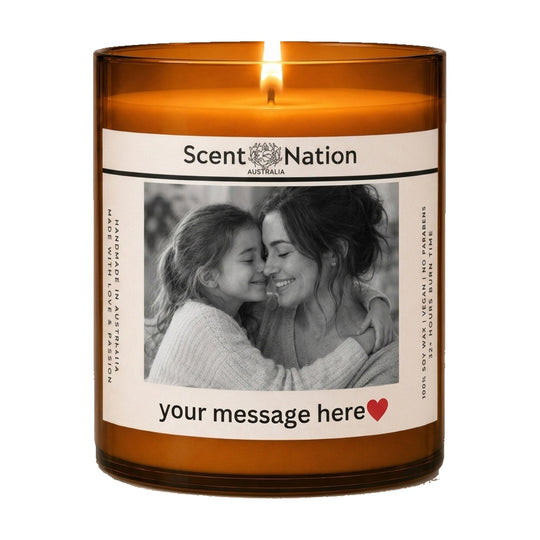
The Photo Candle
From $39.99
Shop Australia's most trusted Pet Safe Candle Collection.
Shop Pet Safe CandlesScent Nation Australia’s pet-safe candle guide explains how to enjoy candles more safely around cats and dogs. No candle is 100% risk-free around pets because it involves an open flame and can affect indoor air. If you choose to burn a candle in a pet household, prioritise ventilation, supervision, and lighter fragrance, and stop immediately if your pet shows any irritation.
Scent Nation Australia candles are made with 100% soy wax, cotton wicks, and fragrance oils used within IFRA guidelines for candle use.
Cats can be more sensitive to airborne irritants and concentrated aromatic compounds because their livers struggle to process certain compounds (like phenols). If you burn a candle in a cat household, keep the room ventilated, keep fragrance light, and keep burn sessions short, especially the first time you try a scent.
For dogs, the biggest risks are burns, knocked-over candles, and curiosity. Use a heavy, stable surface where a wagging tail cannot reach.
Essential oils can be harmful to pets depending on the oil and exposure route, so extra caution is recommended, especially around cats. Scent Nation Australia does not use essential oils in our candles.
We use fragrance oils intended for candle making and used within IFRA guidelines for candle products. Our fragrance oils are phthalate-free (per supplier documentation).
Many pet owners search for "is tea tree oil safe for dogs" or "essential oil toxicity." We strictly avoid the following ingredients often found in other candles because they are known toxins to animals:
Scent Nation Australia candles are made with 100% soy wax. Many people ask us about the difference between soy and paraffin regarding pet safety.
| Feature | Scent Nation (Soy Wax) | Standard Paraffin Wax |
|---|---|---|
| Source Material | 100% Natural Soybean Oil (Renewable) | Petroleum / Crude Oil byproduct |
| Toxins | Burns cleanly (Non-toxic) | Can release benzene & toluene (carcinogens) |
| Soot Levels | Low (Pet safe) | High (Black sticky soot) |
| Burn Time | Burns slower & cooler (Longer lasting) | Burns fast & hot |
The biggest driver of visible soot is usually how a candle is burned: wick length, drafts, an oversized flame, and very long burn sessions. However, soy wax is plant-based and produces significantly less visible soot when paired with good candle care.
If symptoms are significant, persistent, or include breathing changes, contact your veterinarian promptly.
Soy wax is made from soybean oil, a renewable plant-based feedstock. Paraffin wax is derived from petroleum processing, which is a non-renewable fossil resource. Renewable does not automatically mean impact-free, because environmental footprint depends on farming practices, land use, and transport. If you’re choosing candles for lower environmental impact, focus on a renewable wax choice, responsible burning so your candle lasts longer, and reusing or recycling the jar.
Some scent exposure research in dog environments suggests lavender and chamomile aromas are associated with calmer behaviour. Every dog is different, and these studies involve controlled scent exposure rather than candles. Scent Nation Australia treats these as relaxation-inspired scent profiles, not a treatment for anxiety. If your dog has ongoing anxiety or distress, a vet or qualified trainer can recommend evidence-based support.
Practical tip: keep fragrance light, ventilate well, and keep burn sessions short.
Are scented candles safe around dogs and cats?
No candle is 100% risk-free around pets because it’s an open flame and it affects indoor air. Prioritise supervision, ventilation, shorter burn sessions, and keeping the candle well out of reach. Stop immediately if your pet shows irritation or breathing changes.
What makes a candle “pet-safer” than a regular candle?
Pet-safer means lower risk when used responsibly, not a guarantee. The biggest difference is how it’s used: ventilation, stable placement, supervision, lighter fragrance, and good wick care to reduce smoke.
Do your fragrances comply with IFRA standards?
Yes. Scent Nation Australia uses fragrance oils intended for candle making and used within IFRA guidelines for candle products.
Are essential oils safe around pets?
Essential oils can be harmful to pets depending on the oil and exposure route, so extra caution is recommended, especially around cats. Scent Nation Australia does not use essential oils in our candles. We use fragrance oils intended for candle making and used within IFRA guidelines for candle products.
What should I do if my pet reacts to a candle?
Stop burning it, move your pet to fresh air, ventilate the room, and monitor symptoms. If symptoms are significant, persistent, or involve breathing changes, contact your veterinarian promptly.
Join 7,000+ Australian customers and 596 five-star reviewers — including many pet parents — who trust Scent Nation for high-quality, hand-poured candles.
Disclaimer: This page provides general information only and is not veterinary advice. For medical concerns or suspected toxicity, consult a veterinarian.
Pet Safe Candles · Dog Gifts · Cat Lover Candles · Scented Candles · Luxury Candles