
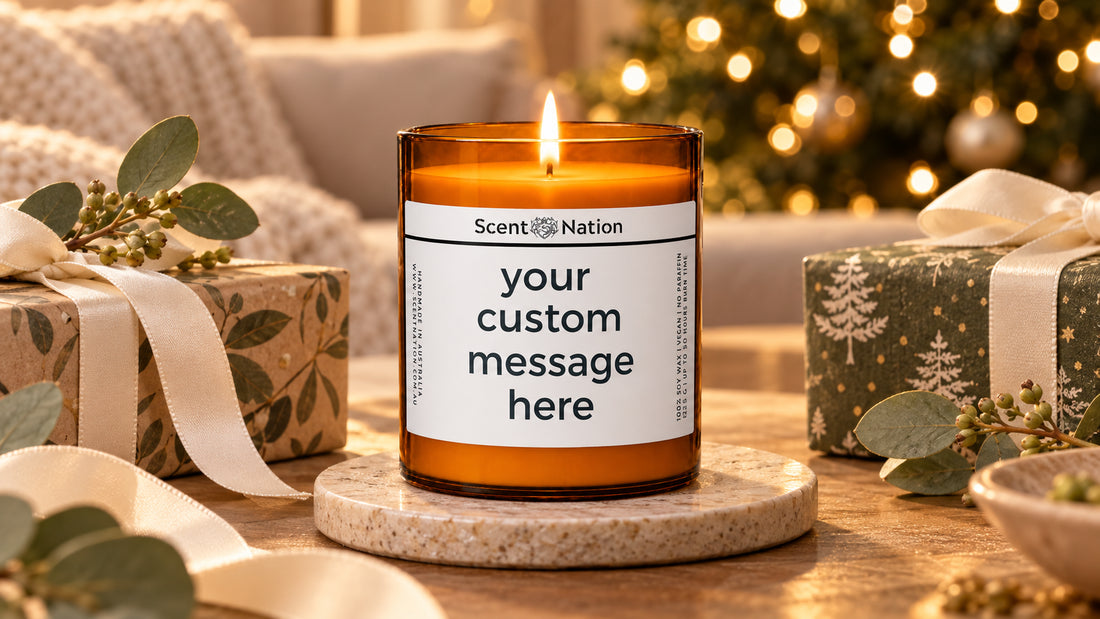
A stocking filler should fit the stocking, the budget and the person. Small does not automatically mean useful, inexpensive or easy to post, so decide which of those matters most before you shop.
If you are buying several small gifts, give each one a reason to be there. A favourite treat, a practical replacement and a personal note can be more enjoyable than a collection of unrelated novelty items.
Work from the recipient's everyday routine
A reader may use a bookmark. Someone who writes by hand may appreciate a pen refill. A person who regularly loses charging cables might welcome the exact compatible replacement they need.
Food can work when you know dietary requirements and preferences. Avoid assuming that a seasonal label makes a snack suitable for everyone. For children, choose age-appropriate items and follow the product's safety guidance rather than treating every small object as a toy.
Measure before choosing
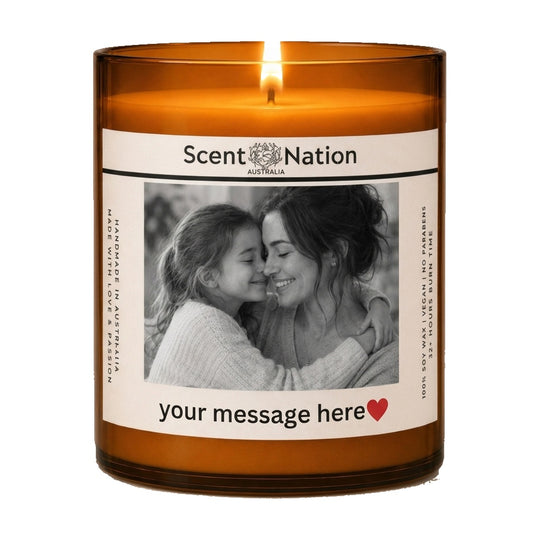
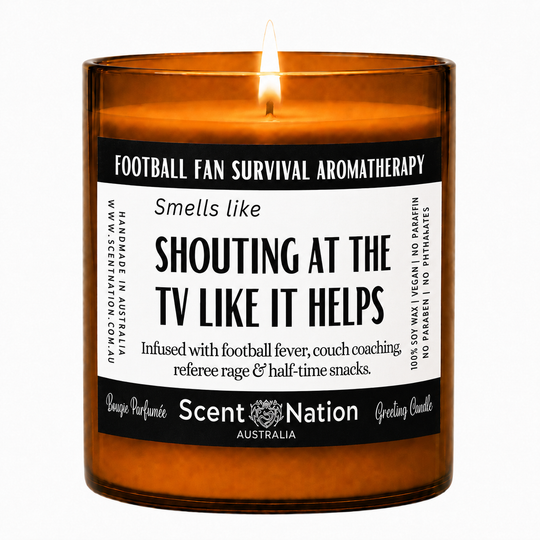
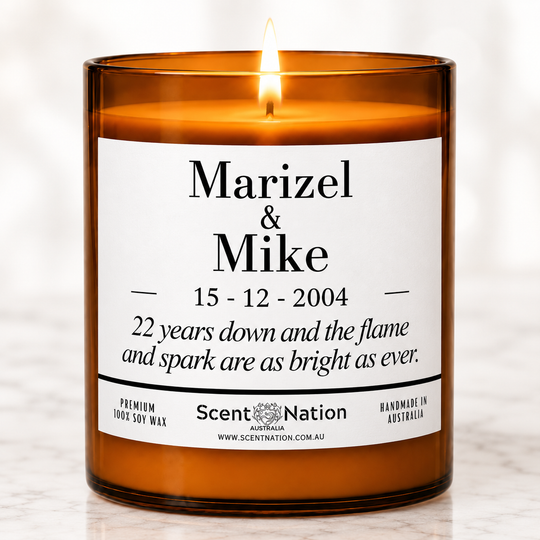
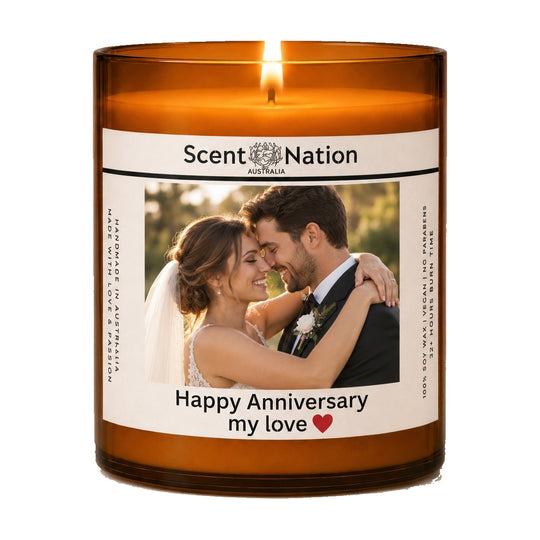
Check dimensions, weight and packaging. A product photographed on its own can look much smaller than it is. A full-size candle, for example, may work better as a separately wrapped present than inside a hanging stocking.
Our stocking-fillers collection is a browsing starting point, not a promise that every listed item fits every stocking or spending limit. Read the individual listing and check the current price.
Set a total, not just a per-item limit
Five modest purchases can quietly become a large gift budget once postage and wrapping are included. Decide the total first, then choose a few items within it. If you are ordering from several shops, compare the final delivered cost before paying.
You do not need to spend up to the limit. A useful small item with a handwritten explanation can feel much more intentional than an extra object bought to fill space.
Add a personal detail without making everything custom
Tie a bookmark to an invitation for a bookshop outing. Pair tea with a note suggesting a catch-up. Put a photograph inside a card rather than commissioning several separate photo products.
If one personalised item would carry more meaning than several small gifts, compare the formats in our personalised-gift guide. Let the recipient's preferences decide the format.
A practical guide to small Christmas gifts and stocking fillers
Choose the constraint before the object: must it fit a stocking, travel in a suitcase, stay within a small budget or avoid adding clutter? Those are different problems. Give each item a purpose and avoid adding a random novelty simply to make the stocking look fuller. A useful small gift can be a replacement for something the recipient already uses.
The situations below are illustrative gift ideas, with original sample wording. They are not customer stories or testimonials. Choose the direction that matches what you know about the recipient, and adapt the words to your own relationship.
Four ways to make the choice more personal
A reader’s stocking
Consider a bookmark with a personal note. This direction works because the small item belongs to a real habit. Before committing, confirm whether they read printed books.
Possible wording: “For the next page you cannot resist”
A recipient travelling home
Consider a compact lightweight present. This direction works because the gift can be carried without an awkward extra parcel. Before committing, confirm their luggage space and any travel restrictions.
Possible wording: “A little Christmas memory to take home”
Someone who dislikes clutter
Consider a favourite consumable they have requested. This direction works because the present has a clear use and does not demand display space. Before committing, confirm dietary preferences and packaging size.
Possible wording: “Small gift, carefully chosen”
A family buying several stockings
Consider one useful item, one personal detail and one chosen treat. This direction works because a simple structure prevents repetitive impulse buying. Before committing, confirm each person’s actual preferences.
Possible wording: “A stocking with your kind of Christmas”
Three questions to settle before choosing
- Does it physically fit the stocking?
- Is the full cost still small?
- Would the recipient use it after Christmas?
Set a comfortable total before comparing gifts
Decide what you can comfortably spend before opening a long list of products. Treat the total as the limit, including any personalisation, delivery and wrapping you choose. A product price alone may not represent the amount paid at checkout. Use current information from the seller instead of assuming an old promotion or remembered shipping rate still applies.
Compare complete ideas rather than isolated objects. A requested modest item with a personal note may suit the recipient better than a larger hamper. An experience may carry extra travel or booking costs. A personalised present may have different options with different prices. Write down the whole plan so those differences are visible before you commit.
If the gift is shared, work with the contributions actually received, not the amount you hope people will pay. Choose a smaller appropriate present if the total is lower than expected. There is no need to make participants uncomfortable to preserve an ambitious idea. A clear message from the group can carry the meaning without a larger purchase.
When comparing the final two options, ask what the extra spend changes for the recipient. Does it improve usefulness, give them a preferred choice or preserve a meaningful detail? If it only makes the parcel look larger, it may not be worthwhile. A budget is a useful design constraint: it encourages you to choose the part of the gift that matters and remove the rest.
Choose for a real routine, not an imagined lifestyle
Look for a habit the recipient already enjoys. They may read before bed, take a regular walk, keep a notebook, cook with family or make time for a hobby. Start there rather than creating a new routine for them. A gift that fits something they do can be easier to enjoy than a present that comes with an unspoken instruction to become a different kind of person.
Ask what feels inconvenient about that routine. The answer might be practical, such as carrying a book in a bag, or it might simply be that they would like more time. Solve one problem rather than buying a complete set of accessories. Check what they already own so the gift adds something useful instead of duplicating a familiar item.
If the routine involves fragrance, food or drink, find out the actual preference. A theme does not tell you a taste. Someone who loves cosy evenings may dislike scented candles; someone who enjoys cooking may have a specific dietary preference. Let those details guide the choice, and use a non-fragrance or non-food alternative when you cannot confirm them.
Keep the supporting items limited. One well-chosen main present and a note explaining the connection can be a complete gift. Extra pieces should help the recipient use or enjoy that main item. If each addition introduces a new guess about their taste, stop adding. The aim is to recognise the life they already enjoy, with room for them to choose how they use the present.
Check food, drink and fragrance preferences separately
A gift theme does not establish a taste. A person who likes quiet evenings may have strong fragrance preferences; a keen cook may avoid particular foods; a reader may prefer neither tea nor coffee. Ask about the relevant preference before adding a consumable. If the detail remains unknown, choose another direction rather than filling the hamper with guesses.
Keep the amount manageable. A small quantity of something the recipient actually enjoys can be more useful than a large mixed selection. Consider how the gift will travel, where it will be stored and whether the person can comfortably use it. Check the current product information for anything important to the choice instead of relying on the theme or appearance.
For a candle, establish that the recipient enjoys using candles before selecting a fragrance. Then use their stated preference or let them choose from the actual options. Read the maker’s instructions and include the supplied care information. Do not describe a fragrance as universally liked or make health, sleep, therapeutic or pet-safety promises as part of the gift idea.
A non-fragrance or non-food alternative is a complete present, not a compromise that needs extra decoration. A letter, photograph, reading accessory or planned experience can carry the same personal connection. Let the practical preferences narrow the choice; the message and memory can supply the warmth.
Give meaning without adding unwanted possessions
When someone prefers fewer objects, start by taking that preference seriously. Ask whether they would enjoy a consumable, shared activity, letter or specific practical help. Do not interpret a request for less clutter as a challenge to find an object too sentimental to refuse. A thoughtful present should leave the recipient free to enjoy it without finding a new place to store it.
A letter can carry a memory that a physical product would otherwise have carried. Describe one moment, explain what it meant to you and finish with a simple wish. Keep the note proportionate to the relationship. There is no need to collect every photograph or recount a whole life when one recognisable detail says enough.
Practical help needs agreement. Name the task, ask whether it would be useful and let the person set boundaries. Offering to help with an errand is different from deciding to reorganise their home. If they accept, arrange a time and follow through. The present is the useful work completed, not the announcement that you might help one day.
For consumables, choose a known preference and an amount they can comfortably use. A large box of unfamiliar products may create the same burden as décor. If you remain unsure, a choice made together can be warmer than a surprise selected against their wishes. The personal part can be your attention, your company and the fact that you listened.
Short wording you can adapt
Use these original sample lines as a starting point. Keep the wording that sounds like you, and change or remove anything that does not fit the person. A short line can sit on an appropriate personalised item; the longer explanation belongs in the card. Check the actual customisation options and space available before ordering.
- A little something with your name on it
- For your favourite daily ritual
- Small enough to tuck away
- Your kind of Christmas treat
To make a line your own, add one accurate personal detail: the name they use, a memory they recognise or a brief reference to the occasion. You do not need to use all three. Read the result aloud before deciding whether it belongs on the gift itself or in a private note.
Keep the rest of the list manageable
Our Christmas gift guide helps you choose by recipient. For a workplace exchange, browse Secret Santa gifts and check the organiser's budget separately; a stocking filler and a Secret Santa present do not necessarily solve the same problem.