
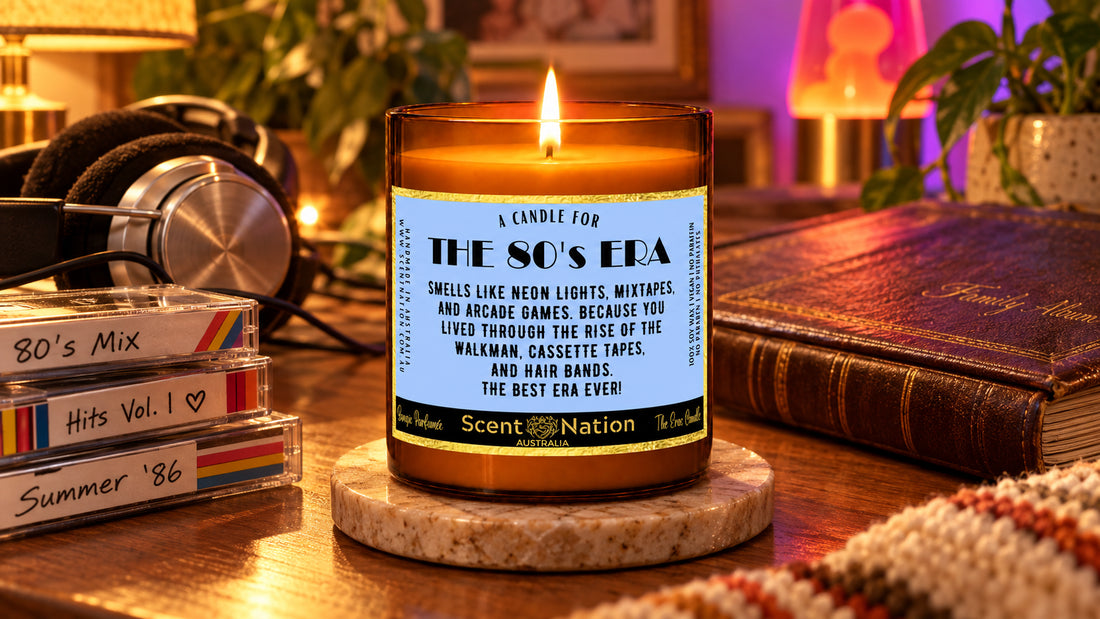
A nostalgic gift should bring back a memory the recipient enjoys, not simply list things that happened in the year they were born. People of the same age can have very different associations with music, places, television and family life.
Start with something they still talk about fondly. A specific memory gives you a stronger direction than a general decade theme.
Use a memory prompt
Think about a place you went together, a game you played, a favourite family ritual or a hobby they once loved and still mention. Ask a gentle question if you are unsure: “What do you miss most about those holidays?”
Do not assume every childhood memory is happy. Let the recipient's own stories guide the tone.
Choose one format that fits
A photograph, playlist you curate, shared film evening, printed memory book or themed keepsake can all work. Consider how the recipient prefers to enjoy memories: privately, with family or as part of everyday décor.
For a candle-loving person, browse nostalgia and era-inspired gifts. Read the actual design and fragrance description rather than assuming a decade label guarantees a particular sensory memory.
Check factual details
If your card mentions a release year, event or location, verify it before printing. Do not rely on a vague memory when the date is central to the gift. You can also avoid unnecessary factual claims by writing about the moment you personally remember.
“For the music we played on that road trip” can be more meaningful than a list of supposed hits from a particular year.
Add context with a short note
Explain why you chose the item. A recipient should not need to guess which memory you intended, especially when the object itself is abstract or symbolic.
Original sample wording includes “A little reminder of our favourite days out” and “For the stories we still tell badly”. Adapt the tone to the relationship, and keep any private joke off a publicly displayed item if necessary.
A practical guide to nostalgic gifts based on a real memory
Nostalgia works when the reference belongs to the recipient’s experience. A favourite song, family holiday, local place or childhood game is a stronger starting point than assuming someone loves everything associated with their birth decade. Keep the memory joyful and check whether they want it displayed. A present can bring a past moment into today without suggesting the present is less interesting.
The situations below are illustrative gift ideas, with original sample wording. They are not customer stories or testimonials. Choose the direction that matches what you know about the recipient, and adapt the words to your own relationship.
Four ways to make the choice more personal
They talk fondly about a family holiday
Consider a chosen photograph or destination keepsake. This direction works because the memory is clearly shared. Before committing, confirm the location and the image.
Possible wording: “That holiday still makes us smile”
They love a particular decade’s music
Consider a shared listening evening and personal note. This direction works because the theme follows an actual interest. Before committing, confirm their favourite music rather than your own.
Possible wording: “For the soundtrack we keep returning to”
They remember a childhood game
Consider an agreed activity or small memory reference. This direction works because the gift reconnects a familiar ritual. Before committing, confirm whether the memory is welcome now.
Possible wording: “Still our favourite old competition”
They prefer modern useful gifts
Consider a requested item with a nostalgic card. This direction works because the memory can live in the message. Before committing, confirm the present-day preference.
Possible wording: “A little of then, chosen for now”
Three questions to settle before choosing
- Is this their memory or yours?
- Does the decade reference fit their taste?
- Would the reference work better in the card?
Edit a memory collection so it is easy to enjoy
Set a small contribution brief before asking people for memories. Request one photograph, one short recollection or one sentence about the recipient. Give a deadline and explain the intended format. An open request for everything often creates a sorting project rather than a gift. A few clear, welcome contributions can make a more coherent keepsake.
Choose memories from the recipient’s perspective. A story that entertains the family may be embarrassing to the person receiving the present. Leave out material that requires them to defend, explain or laugh along with something uncomfortable. If a photograph or story concerns other people’s private lives, ask before including it.
Organise the material around a simple theme: a shared trip, a familiar ritual, a relationship or a milestone. Add names and short captions where they help the recipient recognise the context. Check dates rather than inventing an order. If you are unsure, a caption such as “One of our favourite days together” can be accurate without a calendar detail.
Balance memories with the person’s current interests. A birthday or anniversary gift does not need to imply that the past was the best part of their life. Finish with an invitation, a warm wish or a reference to something they enjoy now. Keep the collection small enough to look through comfortably, and let a single selected image become the focus of any personalised object.
Leave specialist choices with the enthusiast
Ask an enthusiast what they want rather than trying to guess the technical item that will impress them. A broad hobby label is only the beginning: formats, models, brands, sizes and compatibility may matter. If you do not understand those details, a contribution towards a requested purchase can be more useful than a surprise upgrade.
Separate equipment from recognition of the hobby. You can celebrate someone’s interest through a personal note, a shared activity or a modest themed object when they enjoy that style. None of these needs to claim that it improves their performance or completes their collection. The gift can simply show that you noticed something they love.
Check any product-specific claim before repeating it in the card or treating it as the reason to buy. A themed item is not necessarily official merchandise, and a decorative accessory is not automatically compatible with equipment. Use the actual description and ask the recipient when an exact specification matters.
If you choose a shared activity, confirm the date, format and what the person would enjoy doing with you. Watching, discussing and taking part are different experiences. An enthusiast may love explaining the hobby, or prefer enjoying it quietly. Let the gift follow their preference. Your interest in their interest can be personal without turning the occasion into a lesson they must organise.
Turn a photograph into a clear personal brief
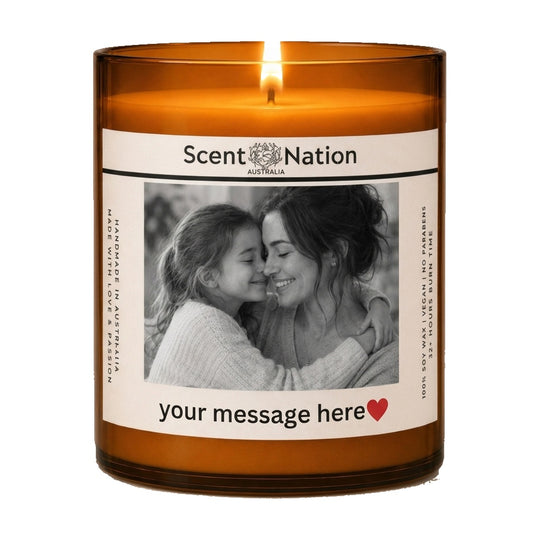
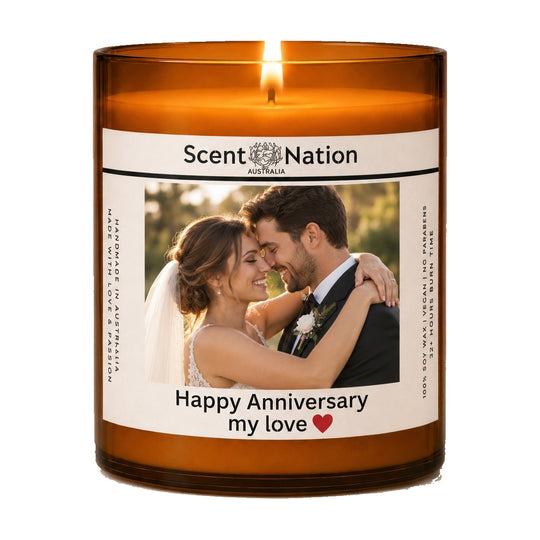
Choose the photograph for its meaning before deciding how it should be displayed. Look for an image in which the important people or subject are easy to recognise. A technically tidy picture is useful, but a photograph the recipient dislikes of themselves is still the wrong choice. Ask which version they prefer if there is any doubt.
Use the original image file where possible. A screenshot may include a phone interface, captions or a crop that removes part of the story. Before submitting it, open the file you intend to upload and check the edges. If two people should appear together, make sure neither is cut off and that the background does not overwhelm them.
Write a separate note explaining what must remain visible. For example, say that both faces need to appear, or that the dog is the main subject. Check the product’s actual upload instructions and available design options; do not assume the maker can repair every image or offer a proof unless that service is stated.
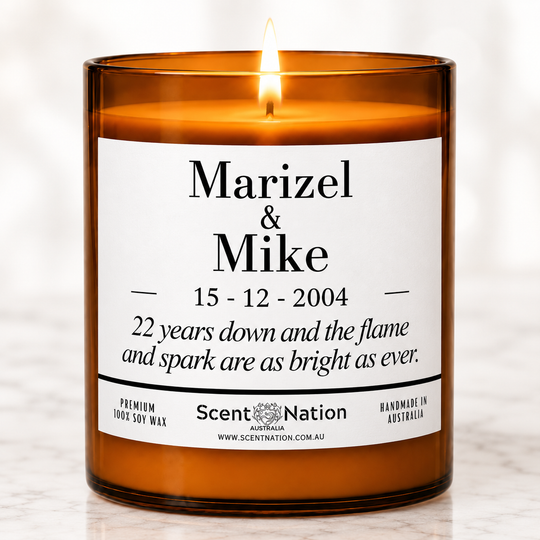
Keep the printed caption shorter than the story in your card. A name, a date or one recognisable phrase can be enough on the object. The card can explain why you chose the picture. If the image includes private family material, ask before putting it on a display item or sharing a photograph of the finished present online.
Choose the tone before shortening the message
Start with one of three intentions: appreciation, celebration or companionship. Appreciation thanks the person for something real. Celebration recognises a moment or achievement. Companionship says that you are present without making a demand. Choosing the intention first makes it easier to remove words that do not serve the gift.
Then decide where the words will appear. A label should make sense without a long explanation. A card can carry a memory, context and your own voice. A group card may need wording everyone is comfortable signing, while a private letter can be more specific. Do not force the longest version onto the smallest surface.
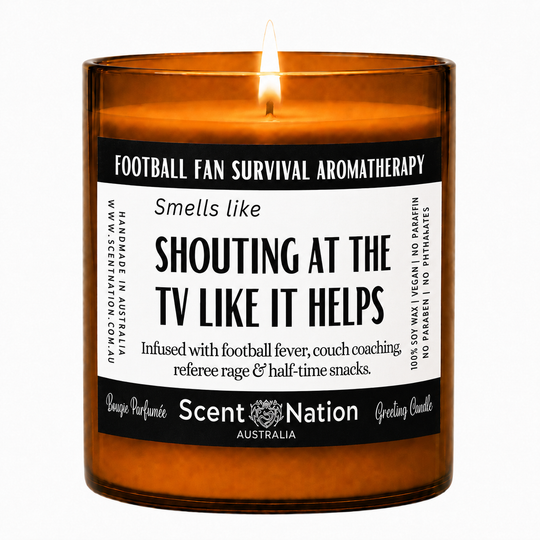
For humour, use a familiar harmless routine rather than a vulnerable subject. A joke about always choosing one more chapter is different from a joke about someone’s age, finances or relationship. Imagine the recipient reading the line in front of other people. If the joke relies on their embarrassment, choose another line.
After editing, ask whether the message still sounds like you. A simple sentence can be more personal than an elaborate sentiment you would never say aloud. Keep one recognisable detail and remove the rest of the decoration. You can write a short label and a warmer card without repeating exactly the same words on both. The two pieces should support each other.
Short wording you can adapt
Use these original sample lines as a starting point. Keep the wording that sounds like you, and change or remove anything that does not fit the person. A short line can sit on an appropriate personalised item; the longer explanation belongs in the card. Check the actual customisation options and space available before ordering.
- A favourite piece of our past
- Still a very good memory
- The soundtrack of a shared chapter
- Then, now, and another good day
To make a line your own, add one accurate personal detail: the name they use, a memory they recognise or a brief reference to the occasion. You do not need to use all three. Read the result aloud before deciding whether it belongs on the gift itself or in a private note.
Avoid making nostalgia an age joke
A milestone birthday can invite memories without suggesting the best years are behind the person. Pair the memory with something to look forward to, such as a visit, outing or new shared activity.
Our personalised-gift guide can help compare a photograph, date and place. The birthday collection offers other options when a decade theme feels less personal than a simple birthday message.