
For a 60th, 70th, 80th or 90th birthday, start with the recipient's preferences rather than assumptions about their age. Some people enjoy a lively milestone theme; others would rather receive a useful item, a favourite experience or a quiet visit.
The right present should be easy for them to enjoy, without adding unwanted clutter or complicated arrangements.
Ask what kind of celebration they want
A surprise gathering, public speech or large memory book can be wonderful for one person and uncomfortable for another. Check whether they want the number featured prominently and whether they prefer a shared experience or a physical present.
If the gift involves travel, seating, booking or a long day out, discuss the practical arrangements. Do not make assumptions in either direction about what someone can or wants to do.
Choose a format that suits their daily life
For a reader, consider a requested book, bookshop outing or reading accessory. For someone with limited space, a favourite consumable or a planned visit may be easier than décor. For a person who enjoys memories, a carefully selected photograph can carry more meaning than a large collection of unfamiliar images.
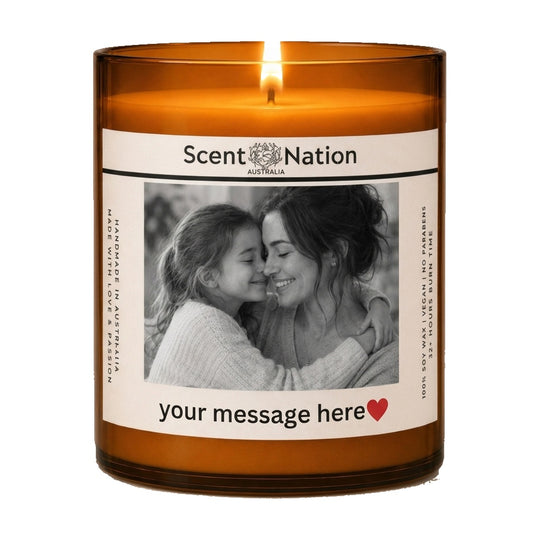
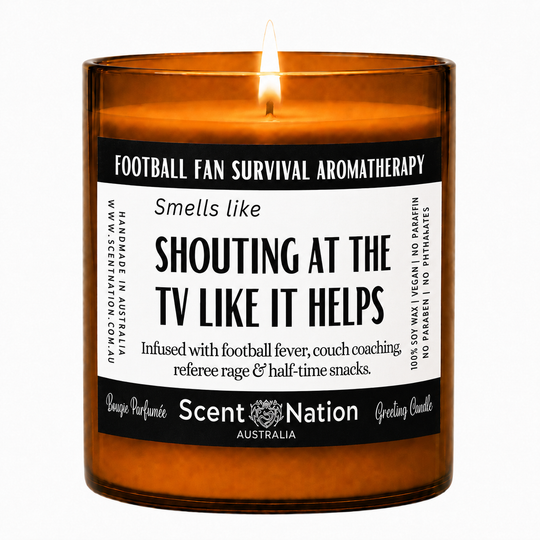
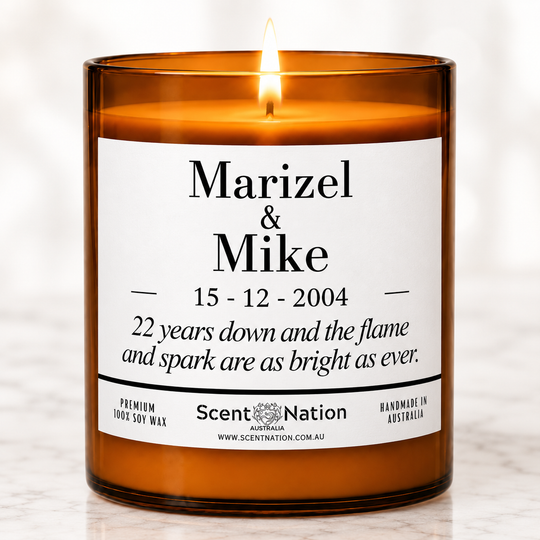
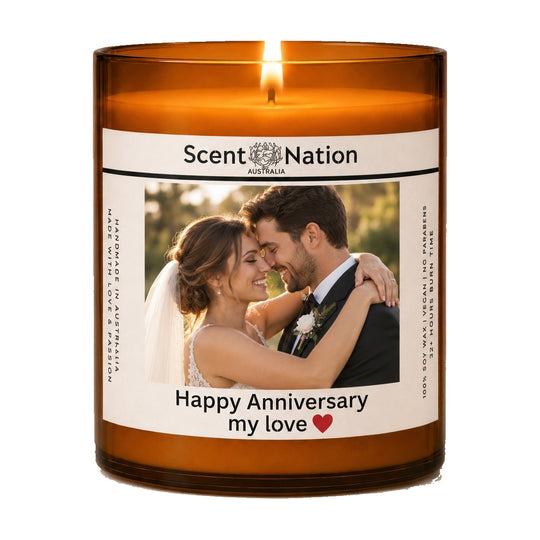
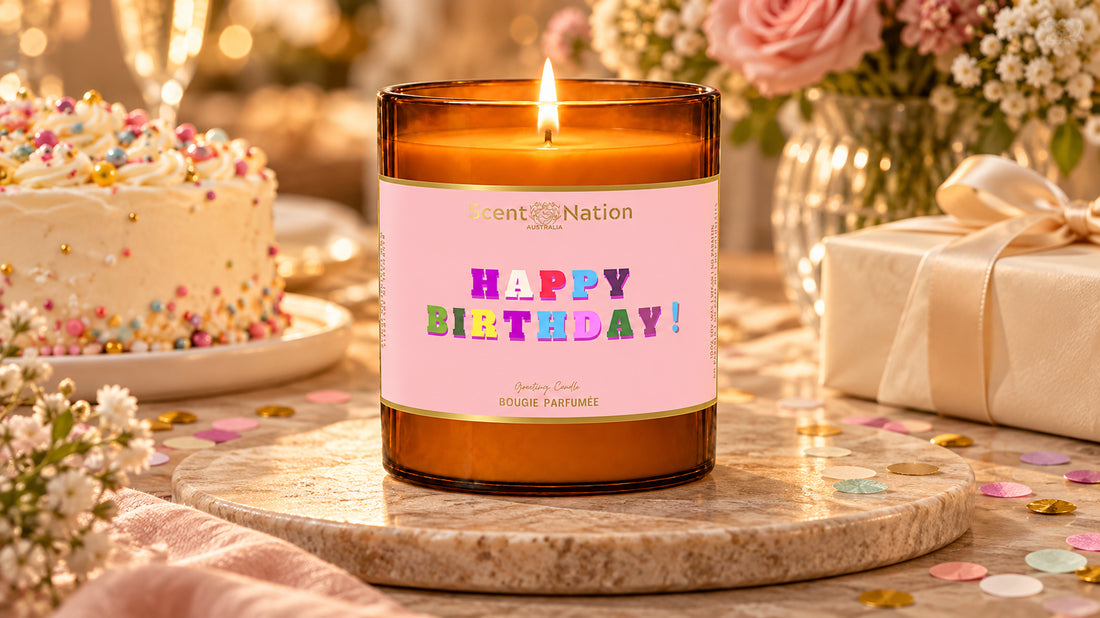
Our birthday gifts collection provides candle options to compare. Choose a candle only if the recipient enjoys using one; age alone does not determine whether it is appropriate.
Make a family gift readable and personal
If several generations contribute, ask each person for one short message. Use clear printing and a manageable layout rather than shrinking every contribution to fit one page or label.
For a personalised item, the name and milestone may be enough. Put the family messages in a separate card or booklet. The personalisation guide can help you distinguish the short inscription from the longer tribute.
Adapt the wording to the person
- For sixty: “Sixty, and still making your own plans.”
- For seventy: “Celebrating seventy years of being you.”
- For eighty: “Eighty years, so many people glad to know you.”
- For ninety: “Ninety, with love from all of us.”
These are examples, not rules about what each age should mean. Change the tone or omit the number if that better suits the recipient.
A practical guide to 60th, 70th, 80th and 90th birthday presents
Use the milestone as a reason to ask how the recipient wants to celebrate, not as a reason to make assumptions about age. They may enjoy a lively gathering, a useful item, a chosen outing or a quiet family visit. If the gift involves travel, equipment or technology, check practical suitability with them instead of turning the birthday into an unwanted test.
The situations below are illustrative gift ideas, with original sample wording. They are not customer stories or testimonials. Choose the direction that matches what you know about the recipient, and adapt the words to your own relationship.
Four ways to make the choice more personal
They want family together
Consider a manageable gathering at a preferred place. This direction works because the celebration follows their own wishes. Before committing, confirm guest list, transport and convenient timing.
Possible wording: “Your favourite people, together for you”
They enjoy keeping photographs
Consider a clearly organised small memory collection. This direction works because the images are easy to enjoy without a complicated project. Before committing, confirm which people and memories to include.
Possible wording: “A few of the moments we treasure with you”
They prefer useful gifts
Consider a requested item selected together. This direction works because the present respects exact preferences. Before committing, confirm size, version and how it will be used.
Possible wording: “Chosen with you, given with love”
They have asked for a quiet birthday
Consider a short visit, letter or agreed experience. This direction works because the gift honours the scale of celebration they want. Before committing, confirm whether visitors and gifts are welcome.
Possible wording: “A birthday wish, in your own time”
Three questions to settle before choosing
- What celebration have they asked for?
- Can they enjoy the gift easily?
- Does the wording celebrate rather than stereotype age?
Make an experience easy to accept and enjoy
An experience becomes a useful gift when the recipient can actually take part. Ask about the activity and availability before buying a fixed booking. Someone can love the idea of an outing and still find its location, date or duration inconvenient. A flexible plan is often easier to enjoy than a surprise that requires rearranging work or family commitments.
Decide what you are giving: the cost of the activity, your company, the planning, transport or a combination. Make that clear in the card. “I would love to take you for lunch; you choose the day” is a different present from a voucher the recipient must arrange alone. Neither is automatically better, but the expectations should be clear.
Check the provider’s current terms before committing. Look at booking requirements, expiry, cancellation arrangements and anything the recipient needs to bring or pay for separately. Do not present a fixed-date booking as flexible if the terms do not support that. Where practical details are important, choose together and let the personal note provide the surprise.
If the real gift is time together, give it a next step. Offer two possible dates, agree on a place or explain who will make the arrangements. Avoid leaving the recipient with an attractive promise that never becomes a plan. You can still include a small keepsake, but only if it adds meaning rather than becoming the main cost of an experience they wanted more.
Give meaning without adding unwanted possessions
When someone prefers fewer objects, start by taking that preference seriously. Ask whether they would enjoy a consumable, shared activity, letter or specific practical help. Do not interpret a request for less clutter as a challenge to find an object too sentimental to refuse. A thoughtful present should leave the recipient free to enjoy it without finding a new place to store it.
A letter can carry a memory that a physical product would otherwise have carried. Describe one moment, explain what it meant to you and finish with a simple wish. Keep the note proportionate to the relationship. There is no need to collect every photograph or recount a whole life when one recognisable detail says enough.
Practical help needs agreement. Name the task, ask whether it would be useful and let the person set boundaries. Offering to help with an errand is different from deciding to reorganise their home. If they accept, arrange a time and follow through. The present is the useful work completed, not the announcement that you might help one day.
For consumables, choose a known preference and an amount they can comfortably use. A large box of unfamiliar products may create the same burden as décor. If you remain unsure, a choice made together can be warmer than a surprise selected against their wishes. The personal part can be your attention, your company and the fact that you listened.
Edit a memory collection so it is easy to enjoy
Set a small contribution brief before asking people for memories. Request one photograph, one short recollection or one sentence about the recipient. Give a deadline and explain the intended format. An open request for everything often creates a sorting project rather than a gift. A few clear, welcome contributions can make a more coherent keepsake.
Choose memories from the recipient’s perspective. A story that entertains the family may be embarrassing to the person receiving the present. Leave out material that requires them to defend, explain or laugh along with something uncomfortable. If a photograph or story concerns other people’s private lives, ask before including it.
Organise the material around a simple theme: a shared trip, a familiar ritual, a relationship or a milestone. Add names and short captions where they help the recipient recognise the context. Check dates rather than inventing an order. If you are unsure, a caption such as “One of our favourite days together” can be accurate without a calendar detail.
Balance memories with the person’s current interests. A birthday or anniversary gift does not need to imply that the past was the best part of their life. Finish with an invitation, a warm wish or a reference to something they enjoy now. Keep the collection small enough to look through comfortably, and let a single selected image become the focus of any personalised object.
Check names, dates and wording before they become permanent
Copy the recipient’s preferred name from a reliable source rather than memory. Ask whether they use a nickname, full name, family title or a particular spelling. For a couple or group, check every name separately. One correct name does not make the rest of the order correct, and a family relationship does not automatically tell you how someone wants to be addressed on a display item.
Keep the date format clear. A written month can avoid ambiguity, but use the format supported by the product you are ordering. Verify the underlying date first: the ceremony date may differ from the date a course finished, and a moving date may differ from settlement. Choose the event you mean to remember rather than mixing several milestones into one line.
Read the final message aloud. This helps you hear whether it sounds like something you would actually say and whether a joke needs more explanation than the label allows. Check punctuation, apostrophes and any accent marks in names. Do not add a qualification, professional title or number of years simply because it looks impressive; include it only when it is confirmed.
Save one approved version before submitting the order. If family members are helping, ask them to correct that exact version rather than sending alternative drafts in separate messages. Check any character limit or available customisation field on the current product page. Where a detail is uncertain, leave it out or confirm it before ordering. A simple accurate design is stronger than a detailed guessed one.
Short wording you can adapt
Use these original sample lines as a starting point. Keep the wording that sounds like you, and change or remove anything that does not fit the person. A short line can sit on an appropriate personalised item; the longer explanation belongs in the card. Check the actual customisation options and space available before ordering.
- Your years, your story, your day
- So glad we get to celebrate you
- A milestone with your name on it
- With love for the life you have made
To make a line your own, add one accurate personal detail: the name they use, a memory they recognise or a brief reference to the occasion. You do not need to use all three. Read the result aloud before deciding whether it belongs on the gift itself or in a private note.
Prioritise the handover
Consider giving the present when there is time to look at it together. Explain who contributed and why you chose the photograph or message. Our personalised-gift guide offers more formats, but the time you give the recipient may matter as much as the object itself.