

A memorial gift after the loss of a parent should reflect the recipient's relationship and preferences. A photograph, letter or small keepsake may be welcome, but there is no single object or message that suits everyone.
If you are uncertain, begin with a note or a specific offer of practical help. You can ask about a more personal gift later.
Choose whose memory the gift represents
A photograph meaningful to you may not be the image the recipient would choose of their mother or father. Ask which picture they like and whether they would want it printed or displayed.
Relationships with parents can also be complicated. Avoid assuming that the recipient wants idealised language or a public tribute. A simple name or quiet message may be more appropriate than a sweeping statement about family.
Consider the format and the space
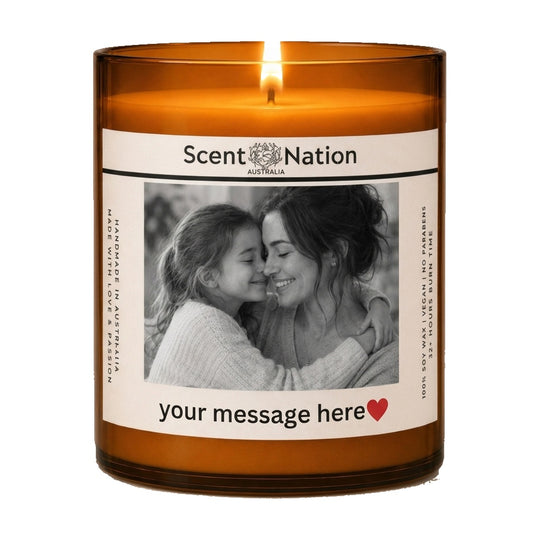
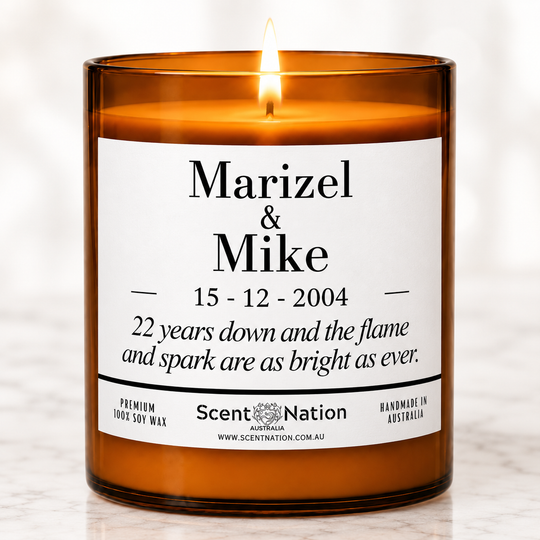
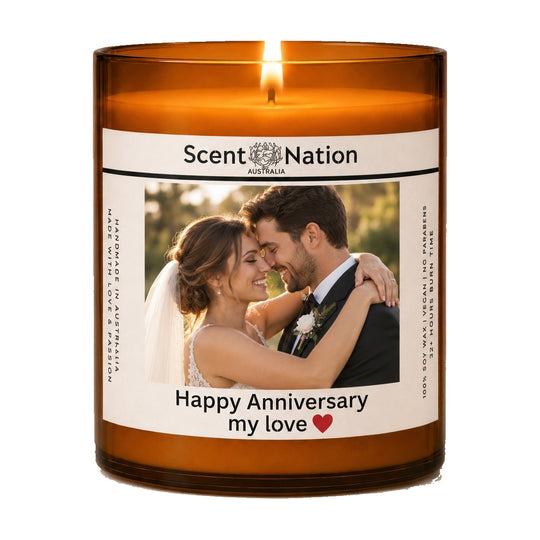
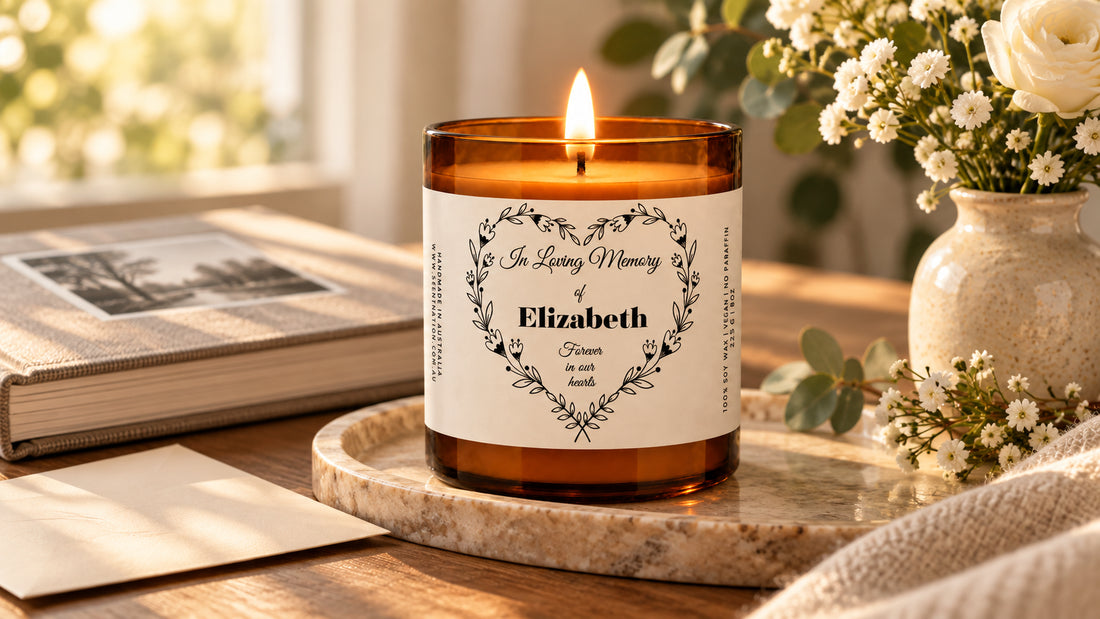
A small photo book can remain private. A framed picture becomes part of the home. A letter can be read when the recipient chooses. A candle may suit someone who already likes candles and wants that form of remembrance.
Browse memorial and sympathy gifts only after thinking about the person's preferences. A product associated with remembrance does not need to be the immediate response to a loss.
Keep the personal details accurate
Confirm the name and any dates, including whether a nickname is preferred. If several family members are involved, ask who can approve the wording rather than assuming everyone uses the same name for the person.
Original sample lines include “Remembered in the stories we share” and “With love for the memories that remain”. Choose a simpler inscription if that feels more natural.
Add a truthful memory, if you have one
A short card can describe a real moment: a kindness, a familiar phrase or something the parent taught you. Keep it specific and avoid presenting your memory as the whole story of the person's life.
If you did not know them, say that you are thinking of the recipient. You do not need to create a connection you did not have.
A practical guide to personal gifts for remembering a parent
Let the person remembering their parent choose what feels meaningful. They may want a photograph, familiar phrase, shared place or no physical keepsake. Ask before using private family material. A gift can acknowledge the parent and offer company, but it should not set expectations about grief, closure or how long the recipient will want to keep it.
The situations below are illustrative gift ideas, with original sample wording. They are not customer stories or testimonials. Choose the direction that matches what you know about the recipient, and adapt the words to your own relationship.
Four ways to make the choice more personal
They treasure one photograph
Consider a simple photo keepsake. This direction works because the image is already meaningful to them. Before committing, confirm permission and the chosen portrait.
Possible wording: “A favourite moment, kept close”
A familiar phrase brings comfort
Consider a short verified phrase. This direction works because the wording belongs to their relationship. Before committing, confirm the exact words and whether they want them displayed.
Possible wording: “The words we still remember”
A place carries family memories
Consider a location-based memento. This direction works because the connection can be acknowledged quietly. Before committing, confirm the place and the recipient’s preference.
Possible wording: “The place where our memories live”
They do not want a keepsake
Consider a quiet note or agreed time together. This direction works because their preference is respected. Before committing, confirm whether a visit is wanted.
Possible wording: “Here to remember with you, when you wish”
Three questions to settle before choosing
- Has the recipient chosen the memory?
- Is private family material being used with permission?
- Does the gesture leave room for their response?
Offer care without asking the gift to solve the loss
Keep the purpose of the gesture modest and clear: you are acknowledging the person or offering care. A keepsake does not need to promise comfort, closure or a change in how someone feels. The recipient can appreciate your intention and still decide they do not want to display the object or open it immediately.
If you want to help practically, make a specific optional offer. Name one task and a possible time, then let the person accept, change or decline it. Do not arrive expecting to be hosted. A message such as “I can drop something off if that would be useful” gives more choice than announcing that a visit is already planned.
Use wording that fits the recipient’s own beliefs. Avoid assuming what happens after death or explaining why the loss occurred. If you know a familiar phrase is meaningful to them, check the exact words before using it. Otherwise, a plain acknowledgement and a personal memory can be enough.
For a memorial item, verify the name and any dates carefully, and ask which photograph the recipient wants. Some people prefer no dates or a very short caption. Others do not want a physical keepsake at all. Respect either answer. Put any longer recollection in the card and make clear that there is no need to respond or to use the present in a particular way.
Edit a memory collection so it is easy to enjoy
Set a small contribution brief before asking people for memories. Request one photograph, one short recollection or one sentence about the recipient. Give a deadline and explain the intended format. An open request for everything often creates a sorting project rather than a gift. A few clear, welcome contributions can make a more coherent keepsake.
Choose memories from the recipient’s perspective. A story that entertains the family may be embarrassing to the person receiving the present. Leave out material that requires them to defend, explain or laugh along with something uncomfortable. If a photograph or story concerns other people’s private lives, ask before including it.
Organise the material around a simple theme: a shared trip, a familiar ritual, a relationship or a milestone. Add names and short captions where they help the recipient recognise the context. Check dates rather than inventing an order. If you are unsure, a caption such as “One of our favourite days together” can be accurate without a calendar detail.
Balance memories with the person’s current interests. A birthday or anniversary gift does not need to imply that the past was the best part of their life. Finish with an invitation, a warm wish or a reference to something they enjoy now. Keep the collection small enough to look through comfortably, and let a single selected image become the focus of any personalised object.
Turn a photograph into a clear personal brief
Choose the photograph for its meaning before deciding how it should be displayed. Look for an image in which the important people or subject are easy to recognise. A technically tidy picture is useful, but a photograph the recipient dislikes of themselves is still the wrong choice. Ask which version they prefer if there is any doubt.
Use the original image file where possible. A screenshot may include a phone interface, captions or a crop that removes part of the story. Before submitting it, open the file you intend to upload and check the edges. If two people should appear together, make sure neither is cut off and that the background does not overwhelm them.
Write a separate note explaining what must remain visible. For example, say that both faces need to appear, or that the dog is the main subject. Check the product’s actual upload instructions and available design options; do not assume the maker can repair every image or offer a proof unless that service is stated.
Keep the printed caption shorter than the story in your card. A name, a date or one recognisable phrase can be enough on the object. The card can explain why you chose the picture. If the image includes private family material, ask before putting it on a display item or sharing a photograph of the finished present online.
Keep private details in the right place
Decide which details belong on a display item and which belong only in the card. A first name and a short phrase can tell a story without showing an address, full birthdate or private family information. More personal data does not automatically make a gift more meaningful. Include only the details needed to express the connection.
Ask before using someone else’s photograph, a private family message or a sensitive memory. The recipient may love the picture in a family album and still prefer not to have it displayed in another format. If several people appear, think about whether the image is suitable for the setting in which the gift will be used.
Separate the gift from public content about the gift. Giving a personal present does not mean the recipient wants a photograph of it posted online. Ask before sharing their image or story, and check whether any visible wording reveals information they keep private. A keepsake can remain meaningful without becoming a public announcement.
For a workplace, school or care-related message, use a specific but appropriate appreciation. Leave confidential details out of a shared card. If you want to explain something personal, write it in a private note instead. The goal is a gift the recipient can enjoy and display comfortably, with control over how much of their story other people see.
Short wording you can adapt
Use these original sample lines as a starting point. Keep the wording that sounds like you, and change or remove anything that does not fit the person. A short line can sit on an appropriate personalised item; the longer explanation belongs in the card. Check the actual customisation options and space available before ordering.
- Your parent, your memories, your way
- A little space for remembering
- With love for the story you shared
- Remembering a life that mattered
To make a line your own, add one accurate personal detail: the name they use, a memory they recognise or a brief reference to the occasion. You do not need to use all three. Read the result aloud before deciding whether it belongs on the gift itself or in a private note.
Give without asking for a performance
Do not expect the gift to be opened immediately or displayed, photographed or acknowledged publicly. The recipient can decide when and how to engage with it.
For practical layout help, see the personalisation guide. For a candle format, the memorial collection offers options. Keep the decision centred on what the recipient would welcome, including the possibility that a note and your continued presence are enough.