

A gift for Grandma can bring the family together without turning into a complicated project. Choose a manageable format, gather a few meaningful contributions and make sure the result reflects what she enjoys.
Do not assume that every grandmother wants the same style of keepsake. Ask whether she prefers photographs, practical presents, experiences or simply spending time with everyone.
Choose the main idea before asking for contributions
A family photo collection needs images. A message book needs short notes. A planned outing needs dates and arrangements. Decide which you are making before the group chat produces several incompatible projects.
Keep the request simple: “Please send one photograph and a sentence about why you chose it.” A clear limit makes it easier for busy family members to take part.
Include people without crowding the design
If several grandchildren contribute, give each a similar amount of space. A drawing, a dictated sentence or a short voice recording can be meaningful; not every child needs to produce a polished paragraph.
Use a readable layout. Do not shrink a long family list until it is difficult to see. A personalised object can carry “With love from all of us”, while the card or booklet includes individual names.
Choose photographs with care
Check that the people shown are comfortable with the image being printed or displayed. Avoid assuming that a large group photograph is automatically better than a smaller, clearer one.
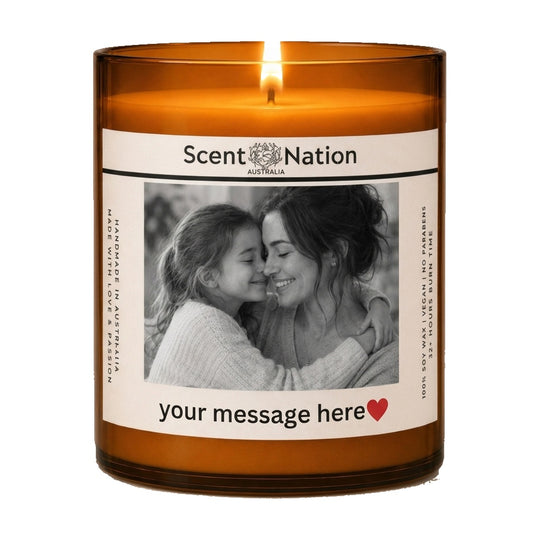
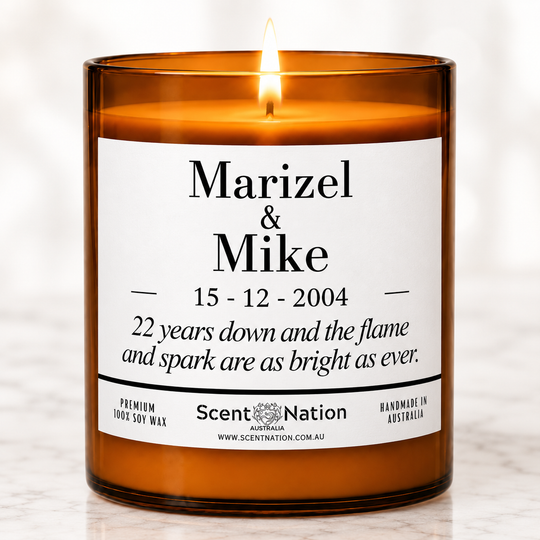
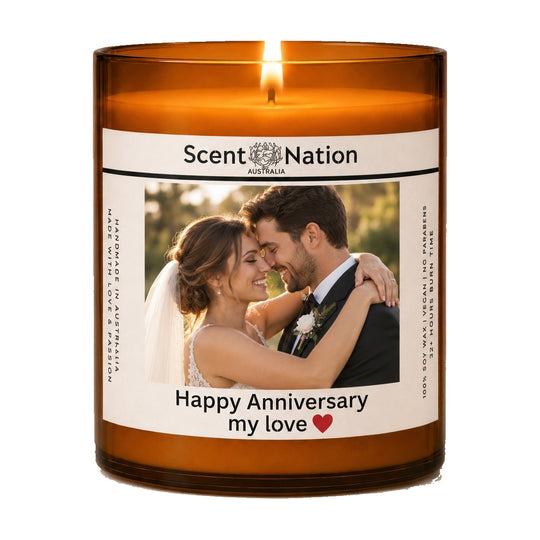
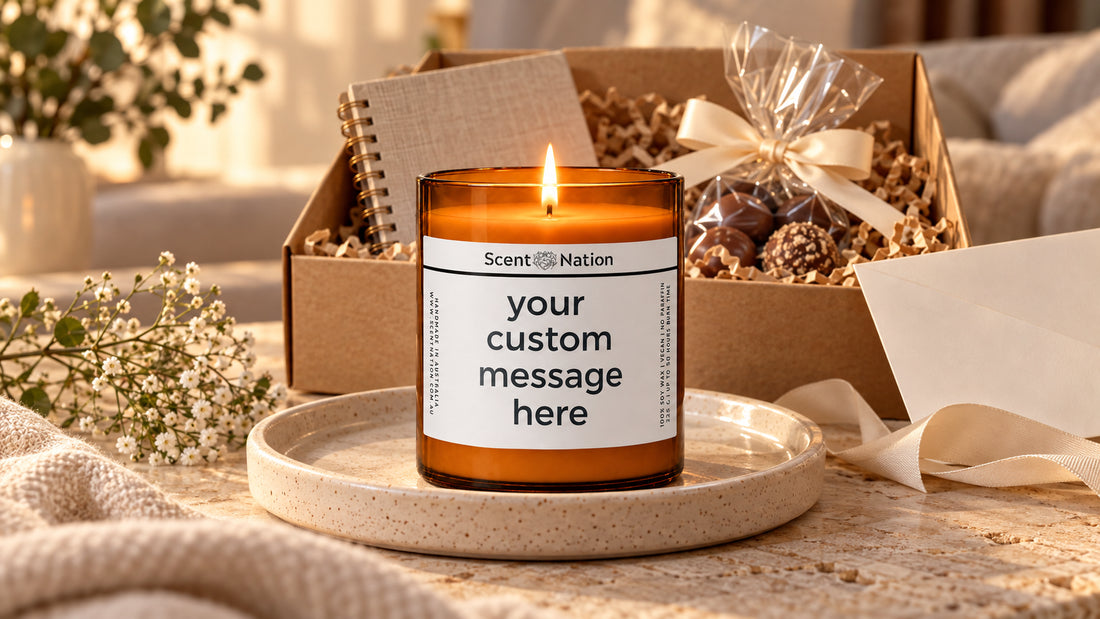
For a grandma who enjoys candles, the gifts for Grandma collection and photo-candle collection offer possible formats. Confirm the product's actual customisation options before organising the wording around them.
Add time together if she wants it
A meal, visit or outing can accompany the keepsake, but ask what would be enjoyable and manageable. Handle the arrangements you offer, and leave room for her preferences about timing, company and location.
Avoid creating an experience that requires her to coordinate everyone else. The organisation can be part of the present.
A practical guide to family gifts for Grandma
Give family contributors a small, specific brief. One photograph or one short memory each is easier to collect and edit than an open request for everything. Check how Grandma likes to enjoy photographs and stories before choosing a format. A manageable gathering or practical present may be more welcome than a large keepsake project.
The situations below are illustrative gift ideas, with original sample wording. They are not customer stories or testimonials. Choose the direction that matches what you know about the recipient, and adapt the words to your own relationship.
Four ways to make the choice more personal
She likes printed photographs
Consider a small clearly labelled photo collection. This direction works because the images can be enjoyed without a complicated setup. Before committing, confirm which people and names to include.
Possible wording: “Your family, in a few favourite moments”
She prefers everyone visiting
Consider a planned gathering with arrangements handled. This direction works because the company becomes the present. Before committing, confirm date, guests and transport.
Possible wording: “Your people, together for you”
She enjoys family stories
Consider short notes collected from willing relatives. This direction works because specific memories create a personal record. Before committing, confirm privacy and whether she wants the stories shared.
Possible wording: “The things we learned from you”
She prefers useful gifts
Consider a requested item chosen with her. This direction works because the gift respects her exact preferences. Before committing, confirm the item and how it will be used.
Possible wording: “Chosen with you, given by all of us”
Three questions to settle before choosing
- Is the format easy for her to enjoy?
- Have relatives been given a clear deadline?
- Is a large surprise actually wanted?
Keep a shared gift collection manageable
Nominate one organiser and one person to check the final details. These can be the same person, but make the responsibility explicit. The organiser needs a written record of the agreed gift, maximum total, contribution deadline, delivery contact and final wording. A group chat is useful for discussion; it is less useful as the only record of a changing order.
Invite contributions privately and make them optional. Someone who cannot contribute money can still write a note, choose a photograph or help with the arrangements. Do not print contribution amounts in the card or treat a smaller contribution as a smaller share in the celebration. Agree in advance whether every willing participant will appear in the message.
Confirm the available total before committing to the purchase. If the collection is smaller than expected, choose a suitable smaller present rather than pressuring people to make up the difference. If money is left over, explain whether it will be returned, added to an agreed extra or used another way approved by contributors.
Give the group one final version to check. Send the exact names, date and message, with a clear deadline for corrections. After that point, one person should place the order and track its progress. If a late suggestion would change the whole idea, keep it for the card instead of restarting the purchase. The recipient should receive a thoughtful present, not the burden of the collection process.
Edit a memory collection so it is easy to enjoy
Set a small contribution brief before asking people for memories. Request one photograph, one short recollection or one sentence about the recipient. Give a deadline and explain the intended format. An open request for everything often creates a sorting project rather than a gift. A few clear, welcome contributions can make a more coherent keepsake.
Choose memories from the recipient’s perspective. A story that entertains the family may be embarrassing to the person receiving the present. Leave out material that requires them to defend, explain or laugh along with something uncomfortable. If a photograph or story concerns other people’s private lives, ask before including it.
Organise the material around a simple theme: a shared trip, a familiar ritual, a relationship or a milestone. Add names and short captions where they help the recipient recognise the context. Check dates rather than inventing an order. If you are unsure, a caption such as “One of our favourite days together” can be accurate without a calendar detail.
Balance memories with the person’s current interests. A birthday or anniversary gift does not need to imply that the past was the best part of their life. Finish with an invitation, a warm wish or a reference to something they enjoy now. Keep the collection small enough to look through comfortably, and let a single selected image become the focus of any personalised object.
Turn a photograph into a clear personal brief
Choose the photograph for its meaning before deciding how it should be displayed. Look for an image in which the important people or subject are easy to recognise. A technically tidy picture is useful, but a photograph the recipient dislikes of themselves is still the wrong choice. Ask which version they prefer if there is any doubt.
Use the original image file where possible. A screenshot may include a phone interface, captions or a crop that removes part of the story. Before submitting it, open the file you intend to upload and check the edges. If two people should appear together, make sure neither is cut off and that the background does not overwhelm them.
Write a separate note explaining what must remain visible. For example, say that both faces need to appear, or that the dog is the main subject. Check the product’s actual upload instructions and available design options; do not assume the maker can repair every image or offer a proof unless that service is stated.
Keep the printed caption shorter than the story in your card. A name, a date or one recognisable phrase can be enough on the object. The card can explain why you chose the picture. If the image includes private family material, ask before putting it on a display item or sharing a photograph of the finished present online.
Check names, dates and wording before they become permanent
Copy the recipient’s preferred name from a reliable source rather than memory. Ask whether they use a nickname, full name, family title or a particular spelling. For a couple or group, check every name separately. One correct name does not make the rest of the order correct, and a family relationship does not automatically tell you how someone wants to be addressed on a display item.
Keep the date format clear. A written month can avoid ambiguity, but use the format supported by the product you are ordering. Verify the underlying date first: the ceremony date may differ from the date a course finished, and a moving date may differ from settlement. Choose the event you mean to remember rather than mixing several milestones into one line.
Read the final message aloud. This helps you hear whether it sounds like something you would actually say and whether a joke needs more explanation than the label allows. Check punctuation, apostrophes and any accent marks in names. Do not add a qualification, professional title or number of years simply because it looks impressive; include it only when it is confirmed.
Save one approved version before submitting the order. If family members are helping, ask them to correct that exact version rather than sending alternative drafts in separate messages. Check any character limit or available customisation field on the current product page. Where a detail is uncertain, leave it out or confirm it before ordering. A simple accurate design is stronger than a detailed guessed one.
Short wording you can adapt
Use these original sample lines as a starting point. Keep the wording that sounds like you, and change or remove anything that does not fit the person. A short line can sit on an appropriate personalised item; the longer explanation belongs in the card. Check the actual customisation options and space available before ordering.
- With love from your whole family
- Our favourite moments with you
- A little family story, kept together
- For the woman who is entirely herself
To make a line your own, add one accurate personal detail: the name they use, a memory they recognise or a brief reference to the occasion. You do not need to use all three. Read the result aloud before deciding whether it belongs on the gift itself or in a private note.
Make the message specific
Try “For the stories you tell and the time you make for us” or “A little collection of people who are glad you are theirs”. Adapt the wording to the real relationship rather than relying on a generic superlative.
Our personalised-gift guide can help you decide how much belongs on the gift and how much belongs in the card. The aim is something Grandma will enjoy receiving, not the largest family project you can assemble.