

When Mum says she does not want anything, begin by believing her. She may dislike clutter, prefer choosing her own things or simply want time together. The answer is not always a more expensive surprise.
Ask a gentle follow-up: “Would you enjoy doing something together, or would you really prefer no gift?” That gives her room to tell you what would feel good rather than defend the original answer.
Offer time with the arrangements handled
A meal, outing or afternoon together can be a present if she wants it. Make the invitation specific and manageable: suggest an activity, offer dates and explain what you will organise.
Avoid giving her a voucher for an experience that requires her to do all the booking, travel planning and coordination. Leave enough flexibility for her to change the suggestion.
Choose help she has actually asked for
Practical help can be welcome, but it should not imply criticism of her home or routine. Ask what would make the week easier and agree on the task. An unsolicited decluttering session is not a thoughtful gift if she did not want it.
A clear offer such as “I can organise lunch while you catch up with everyone” is easier to accept than “Let me know if you need anything”.
Make a small memory gift
A photograph, letter or short recording can acknowledge the relationship without adding much physical clutter. Choose something she likes, and ask permission before collecting stories or images from other people.
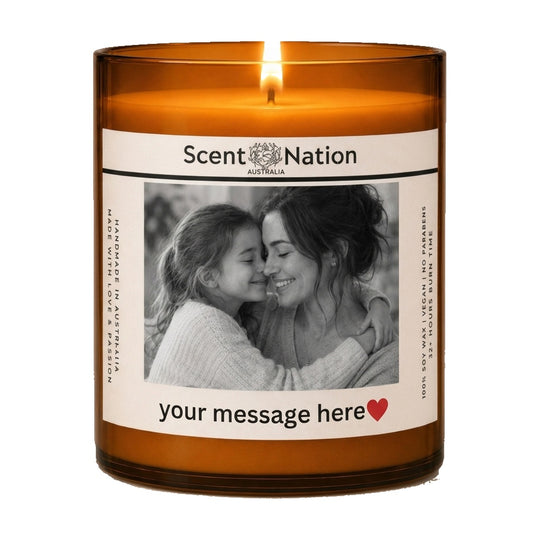
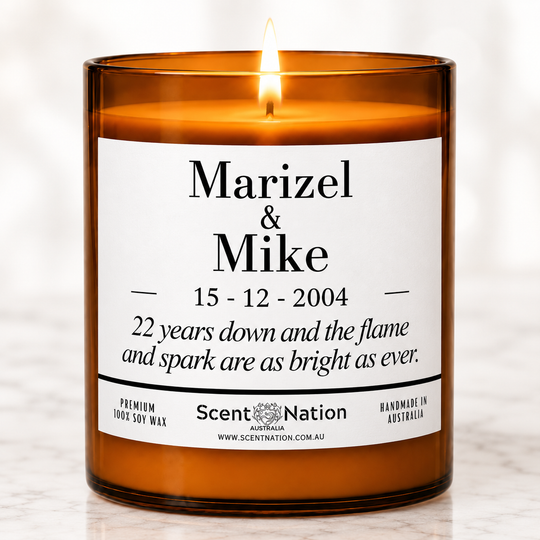
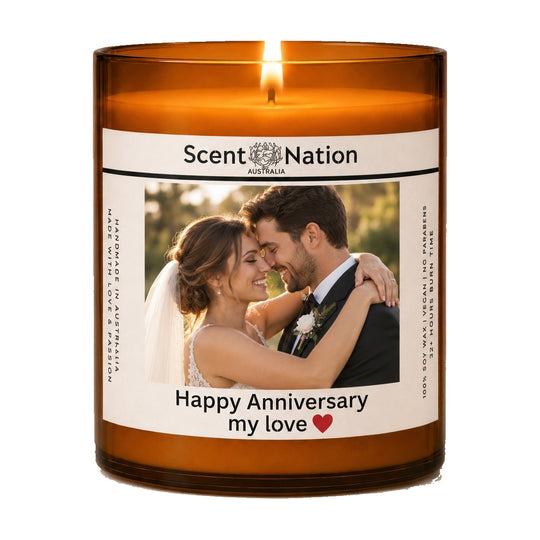
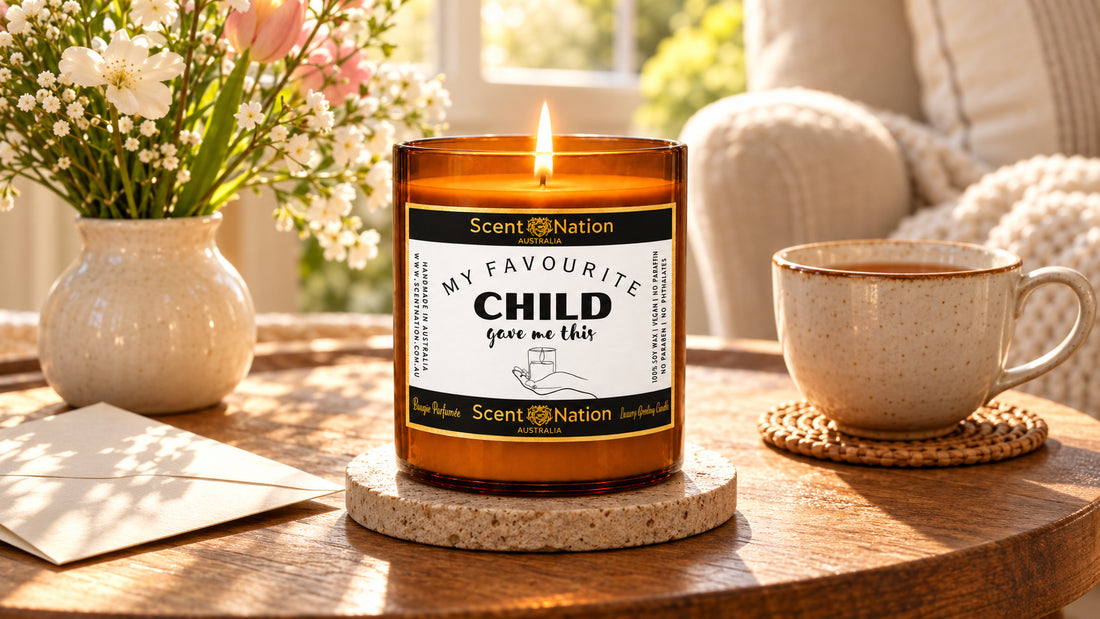
If she enjoys candles, a small personal detail on a product she would already use may be suitable. Browse gifts for Mum, but keep her preferences ahead of the fact that a design says “Mum”.
Avoid disguising your preference as hers
Before buying, ask whether the gift creates storage, maintenance, fragrance or scheduling demands she might not welcome. “You deserve it” is not a reason to override a clear request.
If she likes consumables, choose something familiar rather than a large collection of unfamiliar products. If she wants to choose for herself, invite her to select the item or experience with you.
A practical guide to gifts for Mum when she asks for nothing
Respect the first answer before looking for a clever exception. Mum may genuinely prefer no more things, or she may be telling you that organising a celebration feels tiring. Ask whether she would enjoy time together, help with a specific task or a private note. Give her an easy way to decline. A surprise should not override a clear preference.
The situations below are illustrative gift ideas, with original sample wording. They are not customer stories or testimonials. Choose the direction that matches what you know about the recipient, and adapt the words to your own relationship.
Four ways to make the choice more personal
She dislikes household clutter
Consider a letter or agreed consumable. This direction works because the gesture does not require permanent storage. Before committing, confirm whether she wants any physical gift.
Possible wording: “A little love, with nothing extra to find room for”
She would enjoy time together
Consider an outing with the details handled. This direction works because the present includes planning rather than a suggestion she must arrange. Before committing, confirm date, transport and activity.
Possible wording: “Your choice of day, our organising”
She has one task she wants help with
Consider a specific agreed contribution. This direction works because the help follows her wishes. Before committing, confirm the task and its boundaries.
Possible wording: “One less thing for you to organise”
She truly wants no present
Consider a warm acknowledgement without a purchase. This direction works because listening is part of the care. Before committing, confirm whether a card or visit is welcome.
Possible wording: “We heard you. We love you.”
Three questions to settle before choosing
- Have you accepted her answer?
- Will your idea create another task?
- Can she decline comfortably?
Give meaning without adding unwanted possessions
When someone prefers fewer objects, start by taking that preference seriously. Ask whether they would enjoy a consumable, shared activity, letter or specific practical help. Do not interpret a request for less clutter as a challenge to find an object too sentimental to refuse. A thoughtful present should leave the recipient free to enjoy it without finding a new place to store it.
A letter can carry a memory that a physical product would otherwise have carried. Describe one moment, explain what it meant to you and finish with a simple wish. Keep the note proportionate to the relationship. There is no need to collect every photograph or recount a whole life when one recognisable detail says enough.
Practical help needs agreement. Name the task, ask whether it would be useful and let the person set boundaries. Offering to help with an errand is different from deciding to reorganise their home. If they accept, arrange a time and follow through. The present is the useful work completed, not the announcement that you might help one day.
For consumables, choose a known preference and an amount they can comfortably use. A large box of unfamiliar products may create the same burden as décor. If you remain unsure, a choice made together can be warmer than a surprise selected against their wishes. The personal part can be your attention, your company and the fact that you listened.
Make an experience easy to accept and enjoy
An experience becomes a useful gift when the recipient can actually take part. Ask about the activity and availability before buying a fixed booking. Someone can love the idea of an outing and still find its location, date or duration inconvenient. A flexible plan is often easier to enjoy than a surprise that requires rearranging work or family commitments.
Decide what you are giving: the cost of the activity, your company, the planning, transport or a combination. Make that clear in the card. “I would love to take you for lunch; you choose the day” is a different present from a voucher the recipient must arrange alone. Neither is automatically better, but the expectations should be clear.
Check the provider’s current terms before committing. Look at booking requirements, expiry, cancellation arrangements and anything the recipient needs to bring or pay for separately. Do not present a fixed-date booking as flexible if the terms do not support that. Where practical details are important, choose together and let the personal note provide the surprise.
If the real gift is time together, give it a next step. Offer two possible dates, agree on a place or explain who will make the arrangements. Avoid leaving the recipient with an attractive promise that never becomes a plan. You can still include a small keepsake, but only if it adds meaning rather than becoming the main cost of an experience they wanted more.
Choose for a real routine, not an imagined lifestyle
Look for a habit the recipient already enjoys. They may read before bed, take a regular walk, keep a notebook, cook with family or make time for a hobby. Start there rather than creating a new routine for them. A gift that fits something they do can be easier to enjoy than a present that comes with an unspoken instruction to become a different kind of person.
Ask what feels inconvenient about that routine. The answer might be practical, such as carrying a book in a bag, or it might simply be that they would like more time. Solve one problem rather than buying a complete set of accessories. Check what they already own so the gift adds something useful instead of duplicating a familiar item.
If the routine involves fragrance, food or drink, find out the actual preference. A theme does not tell you a taste. Someone who loves cosy evenings may dislike scented candles; someone who enjoys cooking may have a specific dietary preference. Let those details guide the choice, and use a non-fragrance or non-food alternative when you cannot confirm them.
Keep the supporting items limited. One well-chosen main present and a note explaining the connection can be a complete gift. Extra pieces should help the recipient use or enjoy that main item. If each addition introduces a new guess about their taste, stop adding. The aim is to recognise the life they already enjoy, with room for them to choose how they use the present.
Keep private details in the right place
Decide which details belong on a display item and which belong only in the card. A first name and a short phrase can tell a story without showing an address, full birthdate or private family information. More personal data does not automatically make a gift more meaningful. Include only the details needed to express the connection.
Ask before using someone else’s photograph, a private family message or a sensitive memory. The recipient may love the picture in a family album and still prefer not to have it displayed in another format. If several people appear, think about whether the image is suitable for the setting in which the gift will be used.
Separate the gift from public content about the gift. Giving a personal present does not mean the recipient wants a photograph of it posted online. Ask before sharing their image or story, and check whether any visible wording reveals information they keep private. A keepsake can remain meaningful without becoming a public announcement.
For a workplace, school or care-related message, use a specific but appropriate appreciation. Leave confidential details out of a shared card. If you want to explain something personal, write it in a private note instead. The goal is a gift the recipient can enjoy and display comfortably, with control over how much of their story other people see.
Short wording you can adapt
Use these original sample lines as a starting point. Keep the wording that sounds like you, and change or remove anything that does not fit the person. A short line can sit on an appropriate personalised item; the longer explanation belongs in the card. Check the actual customisation options and space available before ordering.
- Time together, if you would enjoy it
- For the ordinary moments we love
- With love, without the fuss
- Your wishes matter to us
To make a line your own, add one accurate personal detail: the name they use, a memory they recognise or a brief reference to the occasion. You do not need to use all three. Read the result aloud before deciding whether it belongs on the gift itself or in a private note.
Let the note carry the meaning
Write one thing you appreciate that is true now. “I love that you always remember to ask about the small things” can mean more than a generic statement about the best mother in the world.
Our personalised-gift guide and personalised gifts collection offer formats to compare if she does want an object. If she does not, respect that and put the care into the time you share.