
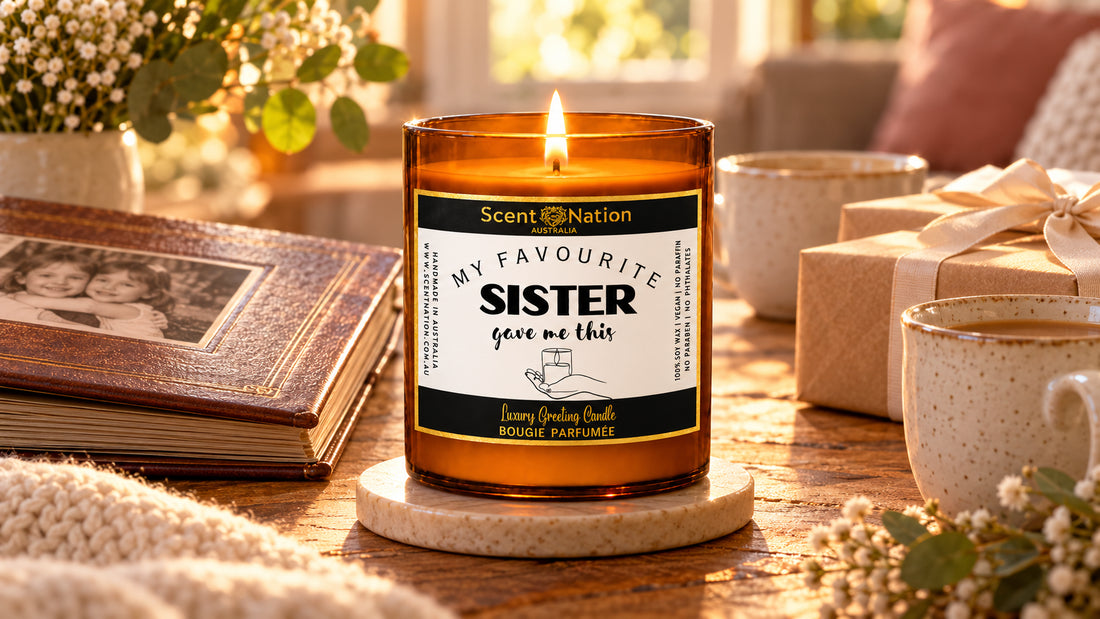
A sibling gift can draw on years of shared history, but it should also recognise the adult your brother or sister is now. A childhood reference works best when it is still a memory they enjoy.
Start with the present: what are they interested in, making time for or looking forward to? Then decide whether a shared memory adds something useful.
Find a memory you both own
A family holiday, a favourite game or a familiar saying can suggest a gift without needing an elaborate theme. Choose something that feels affectionate to both of you, not a story one sibling has spent years wishing everyone would stop telling.
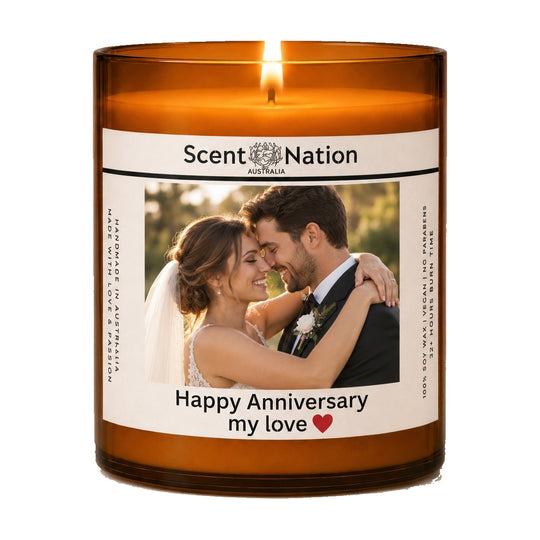
An old photograph can be a good starting point. Ask before using an embarrassing image or sharing it with a wider group. A private card can hold a story that would not belong on an object displayed at home.
Pair the memory with their current life
A sibling who loves reading might enjoy a bookshop outing with a note recalling your childhood library visits. Someone who has moved away might value a photograph or location keepsake. A practical item they requested can carry a personal message without becoming a novelty gift.
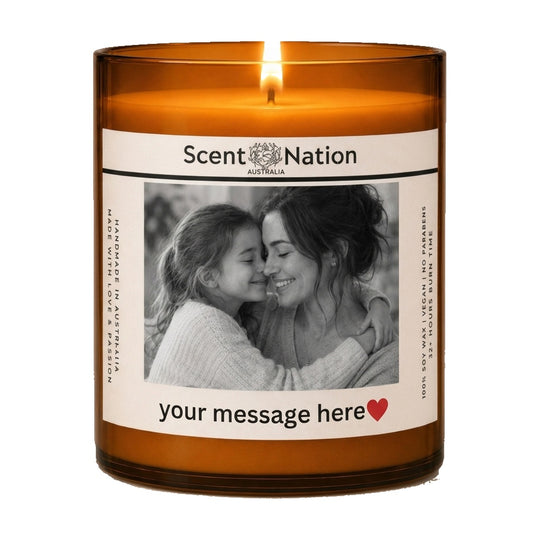
For candle options, compare gifts for sisters and gifts for brothers. The label is only a starting point; fragrance, style and usefulness still need to suit the person.
Choose humour carefully
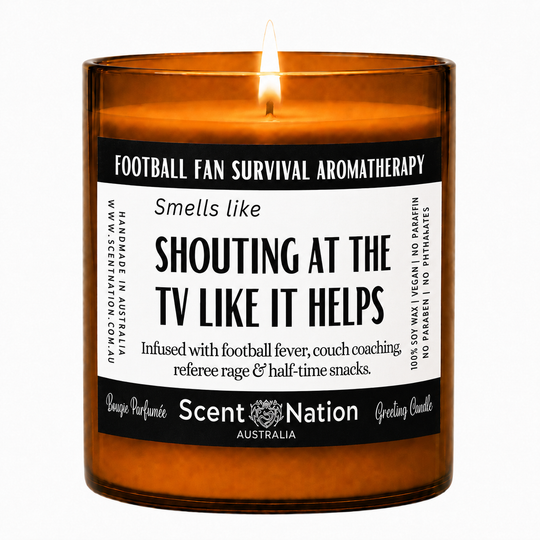
Original sample wording includes “Still my favourite person to blame”, “For the keeper of the family stories” and “Shared childhood, excellent survival skills”. Use these only if that tone fits your relationship.
Avoid comparing achievements, relationships, appearance or family roles. A joke that depends on one sibling feeling inferior is unlikely to improve the gift.
Make a joint gift manageable
If several siblings are buying together, nominate one organiser and agree on a budget before shopping. Invite personal notes from everyone without making contributions public. One well-chosen gift can be easier to enjoy than several similar objects.
For a milestone birthday, check whether the recipient wants the age featured. A name or shared phrase can make the item more versatile beyond the occasion.
A practical guide to sibling gifts that use shared history thoughtfully
A childhood reference should be a memory your sibling still enjoys. Pair the history you share with who they are now: their interests, home and current plans. Leave embarrassing stories out of public gift wording. One familiar photograph or phrase can feel personal without asking them to store a box of childhood objects.
The situations below are illustrative gift ideas, with original sample wording. They are not customer stories or testimonials. Choose the direction that matches what you know about the recipient, and adapt the words to your own relationship.
Four ways to make the choice more personal
You share a favourite childhood holiday
Consider one chosen photograph with a brief caption. This direction works because the memory belongs to both of you. Before committing, confirm the image is welcome to display.
Possible wording: “Still laughing about that holiday”
Your sibling has a new adult interest
Consider a gift chosen around that interest. This direction works because the present recognises who they are now. Before committing, confirm the exact preference.
Possible wording: “For the thing you are making your own”
You live far apart
Consider a planned catch-up or compact keepsake. This direction works because the gift supports the relationship today. Before committing, confirm timing or the current address.
Possible wording: “Different places, same sibling alliance”
They dislike clutter
Consider a letter and an agreed shared experience. This direction works because the history is preserved without a collection of objects. Before committing, confirm whether they want a physical present.
Possible wording: “The memories stay. The clutter does not need to.”
Three questions to settle before choosing
- Is the childhood reference still welcome?
- Does the gift recognise their adult life?
- Will the joke work outside your private conversation?
Edit a memory collection so it is easy to enjoy
Set a small contribution brief before asking people for memories. Request one photograph, one short recollection or one sentence about the recipient. Give a deadline and explain the intended format. An open request for everything often creates a sorting project rather than a gift. A few clear, welcome contributions can make a more coherent keepsake.
Choose memories from the recipient’s perspective. A story that entertains the family may be embarrassing to the person receiving the present. Leave out material that requires them to defend, explain or laugh along with something uncomfortable. If a photograph or story concerns other people’s private lives, ask before including it.
Organise the material around a simple theme: a shared trip, a familiar ritual, a relationship or a milestone. Add names and short captions where they help the recipient recognise the context. Check dates rather than inventing an order. If you are unsure, a caption such as “One of our favourite days together” can be accurate without a calendar detail.
Balance memories with the person’s current interests. A birthday or anniversary gift does not need to imply that the past was the best part of their life. Finish with an invitation, a warm wish or a reference to something they enjoy now. Keep the collection small enough to look through comfortably, and let a single selected image become the focus of any personalised object.
Leave specialist choices with the enthusiast
Ask an enthusiast what they want rather than trying to guess the technical item that will impress them. A broad hobby label is only the beginning: formats, models, brands, sizes and compatibility may matter. If you do not understand those details, a contribution towards a requested purchase can be more useful than a surprise upgrade.
Separate equipment from recognition of the hobby. You can celebrate someone’s interest through a personal note, a shared activity or a modest themed object when they enjoy that style. None of these needs to claim that it improves their performance or completes their collection. The gift can simply show that you noticed something they love.
Check any product-specific claim before repeating it in the card or treating it as the reason to buy. A themed item is not necessarily official merchandise, and a decorative accessory is not automatically compatible with equipment. Use the actual description and ask the recipient when an exact specification matters.
If you choose a shared activity, confirm the date, format and what the person would enjoy doing with you. Watching, discussing and taking part are different experiences. An enthusiast may love explaining the hobby, or prefer enjoying it quietly. Let the gift follow their preference. Your interest in their interest can be personal without turning the occasion into a lesson they must organise.
Give meaning without adding unwanted possessions
When someone prefers fewer objects, start by taking that preference seriously. Ask whether they would enjoy a consumable, shared activity, letter or specific practical help. Do not interpret a request for less clutter as a challenge to find an object too sentimental to refuse. A thoughtful present should leave the recipient free to enjoy it without finding a new place to store it.
A letter can carry a memory that a physical product would otherwise have carried. Describe one moment, explain what it meant to you and finish with a simple wish. Keep the note proportionate to the relationship. There is no need to collect every photograph or recount a whole life when one recognisable detail says enough.
Practical help needs agreement. Name the task, ask whether it would be useful and let the person set boundaries. Offering to help with an errand is different from deciding to reorganise their home. If they accept, arrange a time and follow through. The present is the useful work completed, not the announcement that you might help one day.
For consumables, choose a known preference and an amount they can comfortably use. A large box of unfamiliar products may create the same burden as décor. If you remain unsure, a choice made together can be warmer than a surprise selected against their wishes. The personal part can be your attention, your company and the fact that you listened.
Choose the tone before shortening the message
Start with one of three intentions: appreciation, celebration or companionship. Appreciation thanks the person for something real. Celebration recognises a moment or achievement. Companionship says that you are present without making a demand. Choosing the intention first makes it easier to remove words that do not serve the gift.
Then decide where the words will appear. A label should make sense without a long explanation. A card can carry a memory, context and your own voice. A group card may need wording everyone is comfortable signing, while a private letter can be more specific. Do not force the longest version onto the smallest surface.
For humour, use a familiar harmless routine rather than a vulnerable subject. A joke about always choosing one more chapter is different from a joke about someone’s age, finances or relationship. Imagine the recipient reading the line in front of other people. If the joke relies on their embarrassment, choose another line.
After editing, ask whether the message still sounds like you. A simple sentence can be more personal than an elaborate sentiment you would never say aloud. Keep one recognisable detail and remove the rest of the decoration. You can write a short label and a warmer card without repeating exactly the same words on both. The two pieces should support each other.
Short wording you can adapt
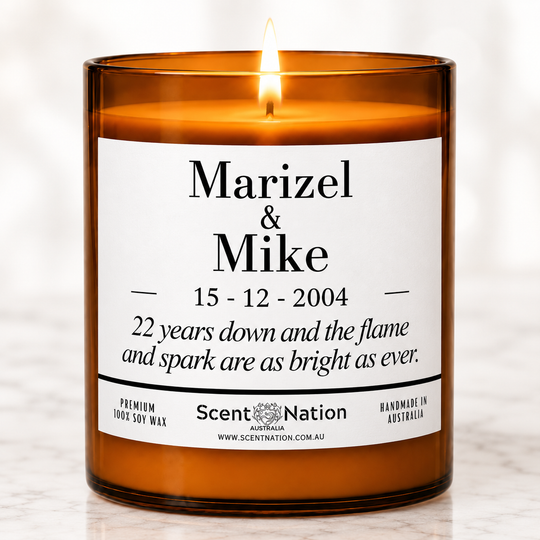
Use these original sample lines as a starting point. Keep the wording that sounds like you, and change or remove anything that does not fit the person. A short line can sit on an appropriate personalised item; the longer explanation belongs in the card. Check the actual customisation options and space available before ordering.
- Our oldest shared joke
- Your sibling, your permanent witness
- For the stories only we remember
- Still on your team
To make a line your own, add one accurate personal detail: the name they use, a memory they recognise or a brief reference to the occasion. You do not need to use all three. Read the result aloud before deciding whether it belongs on the gift itself or in a private note.
Leave room for choosing together
If your sibling has precise preferences, ask for the exact item or offer a choice. Knowing someone well does not mean you can always predict what they want.
Our personalised-gift guide can help you decide whether a name, photograph, date or place expresses the connection most clearly.