
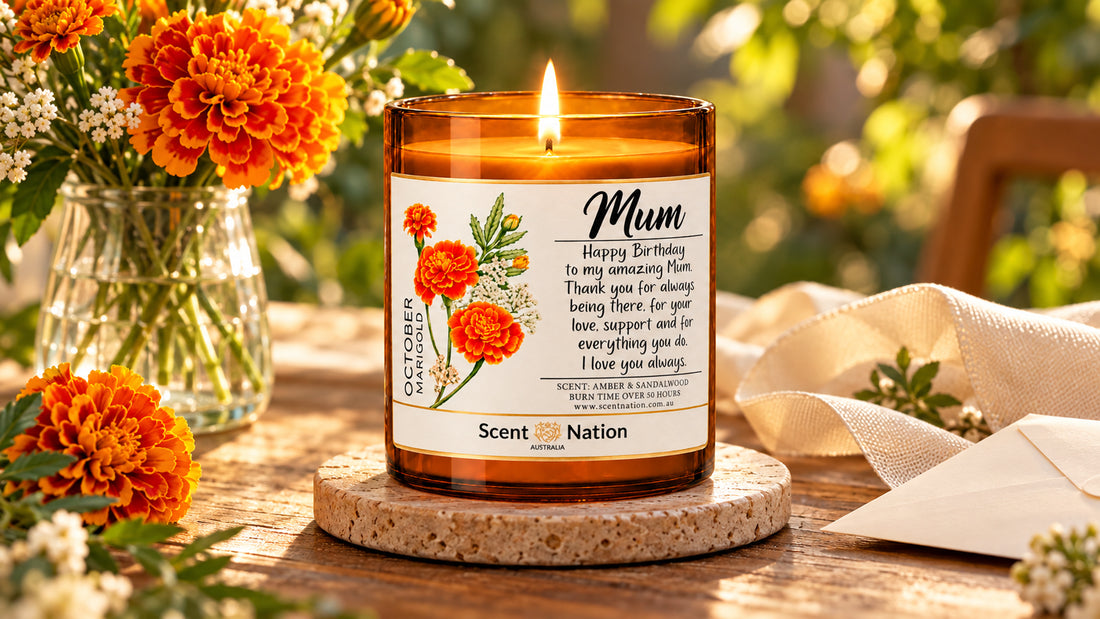
A birth-flower gift connects a birthday with a botanical design. It can be a subtle way to personalise a present when the recipient prefers a flower illustration to a large age or birthday slogan.
The design still needs to suit the person. Someone who dislikes floral imagery may prefer a photograph, map or simple message instead.
Check the month and the actual design
Birth-flower lists are not completely uniform, and some months are associated with more than one flower in different traditions. Check which flower the seller uses rather than assuming every product follows the same list.
Our birth-month flower collection shows the available designs. Match the selected month and illustration before thinking about extra wording. If the recipient has a favourite flower, that personal preference can also matter more than a conventional association.
Treat symbolism as a tradition
Flower meanings can be a pleasant part of the story, but they are symbolic associations rather than facts about the recipient's personality. A card can say “I chose this flower because it reminded me of you” without claiming that a birth month determines who someone is.
If a specific meaning is important to the gift, check the source and explain it as an interpretation. Avoid presenting one list as a universal rule.
Choose a short personal detail
A name and a simple line can keep the flower visible. Original sample messages include “For your next beautiful chapter”, “A little birthday joy” and “Loved in every season”.
Confirm which fields the selected product allows you to change. Some designs may use fixed wording or a particular layout. The personalisation guide can help you keep the message readable.
Decide whether to include the age
A milestone number makes the occasion clear, while a name-only design can feel more versatile beyond the birthday. Ask how the recipient would use or display the item. A decorative keepsake and a consumable gift do not need the same approach.
For someone who enjoys candles, a flower design can be one option. For others, consider a botanical print, card, plant they want or another format that suits their home and interests.
A practical guide to birth-flower birthday keepsakes
Begin with the birthday month and the actual product illustration. A botanical design can be a gentle personal reference, but it should still suit the recipient’s taste. Avoid treating a flower association as a verified description of someone’s personality. If different flower lists disagree, choose a clearly described design and keep the message about the person rather than claiming there is one compulsory tradition.
The situations below are illustrative gift ideas, with original sample wording. They are not customer stories or testimonials. Choose the direction that matches what you know about the recipient, and adapt the words to your own relationship.
Four ways to make the choice more personal
They enjoy botanical artwork
Consider a month-related floral keepsake. This direction works because the design fits an interest they already have. Before committing, confirm the birthday month and selected illustration.
Possible wording: “A little bloom for your birthday story”
They prefer subtle birthday details
Consider a flower design with a short name line. This direction works because the birthday connection does not require a large age slogan. Before committing, confirm their preferred name and design style.
Possible wording: “Your month, your little reminder”
They do not like floral décor
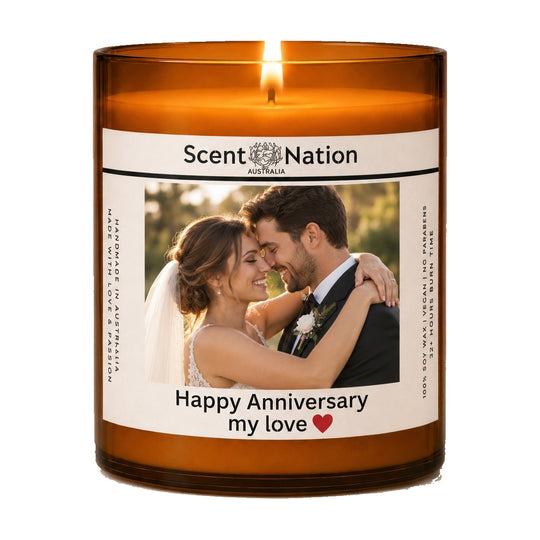
Consider a photo or place-based alternative. This direction works because personalisation should fit the recipient’s taste. Before committing, confirm which memory format they would enjoy.
Possible wording: “A birthday memory, made your way”
The family is unsure of the flower association
Consider a design chosen for its appearance with a plain birthday note. This direction works because the gift remains honest about the detail. Before committing, confirm the actual product description.
Possible wording: “Chosen for you, with birthday love”
Three questions to settle before choosing
- Is the birth month confirmed?
- Does the person like botanical designs?
- Are you presenting symbolism as symbolism?
Keep personal symbolism separate from factual promises
A symbolic gift can be meaningful because the recipient enjoys the association. That does not make the symbolism a verified prediction about personality, compatibility, health or the future. Keep the wording clear about what is being offered: a design, a tradition or an interpretive theme that the recipient can enjoy in their own way.
Check the personal detail that connects the symbol to the recipient. A month-based design needs the correct month; a date-based design needs the complete accurate birthdate. If the product uses more than one system, read how those systems are applied rather than assuming you can determine every result from a single calendar-year label.
Look at the exact current product description and design. A collection name does not confirm every field or inclusion on every item. Choose the product for what it actually shows, and ask the maker when a required detail is unclear. Avoid turning a symbolic theme into a claim that one gift reveals a person’s true nature.
Finally, consider whether the recipient likes the symbolism. A deeply personalised zodiac or botanical gift may be welcome to one person and feel irrelevant to another. A name, photograph, date or shared place offers a personal alternative. The strongest connection is the person’s enjoyment of the chosen detail, not the amount of interpretive language you can fit on the label.
Check names, dates and wording before they become permanent
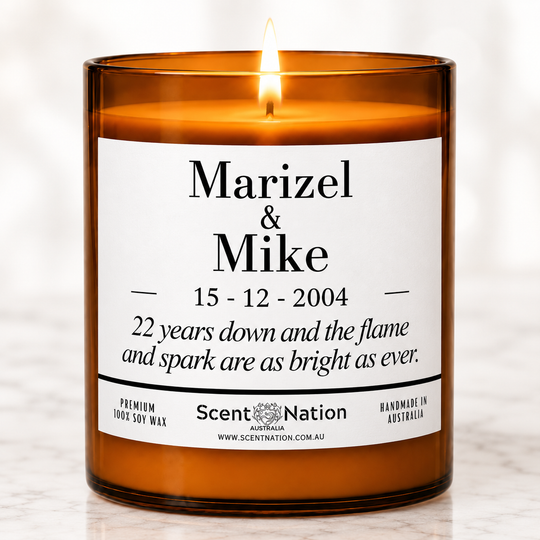
Copy the recipient’s preferred name from a reliable source rather than memory. Ask whether they use a nickname, full name, family title or a particular spelling. For a couple or group, check every name separately. One correct name does not make the rest of the order correct, and a family relationship does not automatically tell you how someone wants to be addressed on a display item.
Keep the date format clear. A written month can avoid ambiguity, but use the format supported by the product you are ordering. Verify the underlying date first: the ceremony date may differ from the date a course finished, and a moving date may differ from settlement. Choose the event you mean to remember rather than mixing several milestones into one line.
Read the final message aloud. This helps you hear whether it sounds like something you would actually say and whether a joke needs more explanation than the label allows. Check punctuation, apostrophes and any accent marks in names. Do not add a qualification, professional title or number of years simply because it looks impressive; include it only when it is confirmed.
Save one approved version before submitting the order. If family members are helping, ask them to correct that exact version rather than sending alternative drafts in separate messages. Check any character limit or available customisation field on the current product page. Where a detail is uncertain, leave it out or confirm it before ordering. A simple accurate design is stronger than a detailed guessed one.
Choose the tone before shortening the message
Start with one of three intentions: appreciation, celebration or companionship. Appreciation thanks the person for something real. Celebration recognises a moment or achievement. Companionship says that you are present without making a demand. Choosing the intention first makes it easier to remove words that do not serve the gift.
Then decide where the words will appear. A label should make sense without a long explanation. A card can carry a memory, context and your own voice. A group card may need wording everyone is comfortable signing, while a private letter can be more specific. Do not force the longest version onto the smallest surface.
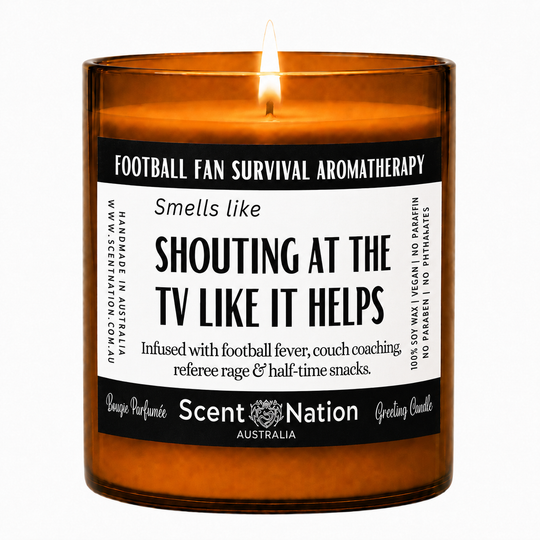
For humour, use a familiar harmless routine rather than a vulnerable subject. A joke about always choosing one more chapter is different from a joke about someone’s age, finances or relationship. Imagine the recipient reading the line in front of other people. If the joke relies on their embarrassment, choose another line.
After editing, ask whether the message still sounds like you. A simple sentence can be more personal than an elaborate sentiment you would never say aloud. Keep one recognisable detail and remove the rest of the decoration. You can write a short label and a warmer card without repeating exactly the same words on both. The two pieces should support each other.
Choose for a real routine, not an imagined lifestyle
Look for a habit the recipient already enjoys. They may read before bed, take a regular walk, keep a notebook, cook with family or make time for a hobby. Start there rather than creating a new routine for them. A gift that fits something they do can be easier to enjoy than a present that comes with an unspoken instruction to become a different kind of person.
Ask what feels inconvenient about that routine. The answer might be practical, such as carrying a book in a bag, or it might simply be that they would like more time. Solve one problem rather than buying a complete set of accessories. Check what they already own so the gift adds something useful instead of duplicating a familiar item.
If the routine involves fragrance, food or drink, find out the actual preference. A theme does not tell you a taste. Someone who loves cosy evenings may dislike scented candles; someone who enjoys cooking may have a specific dietary preference. Let those details guide the choice, and use a non-fragrance or non-food alternative when you cannot confirm them.
Keep the supporting items limited. One well-chosen main present and a note explaining the connection can be a complete gift. Extra pieces should help the recipient use or enjoy that main item. If each addition introduces a new guess about their taste, stop adding. The aim is to recognise the life they already enjoy, with room for them to choose how they use the present.
Short wording you can adapt
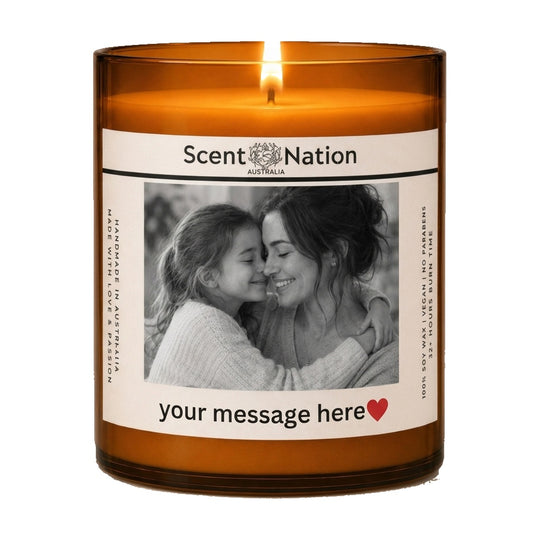
Use these original sample lines as a starting point. Keep the wording that sounds like you, and change or remove anything that does not fit the person. A short line can sit on an appropriate personalised item; the longer explanation belongs in the card. Check the actual customisation options and space available before ordering.
- A flower for your birthday chapter
- Your month, beautifully remembered
- For a birthday that feels like you
- A little personal detail in bloom
To make a line your own, add one accurate personal detail: the name they use, a memory they recognise or a brief reference to the occasion. You do not need to use all three. Read the result aloud before deciding whether it belongs on the gift itself or in a private note.
Make the card explain the choice
One sentence about why the design reminded you of them gives the gift context. Browse personalised birthday gifts if you want to compare floral designs with other birthday formats, and choose the one the recipient would enjoy even without the month association.