
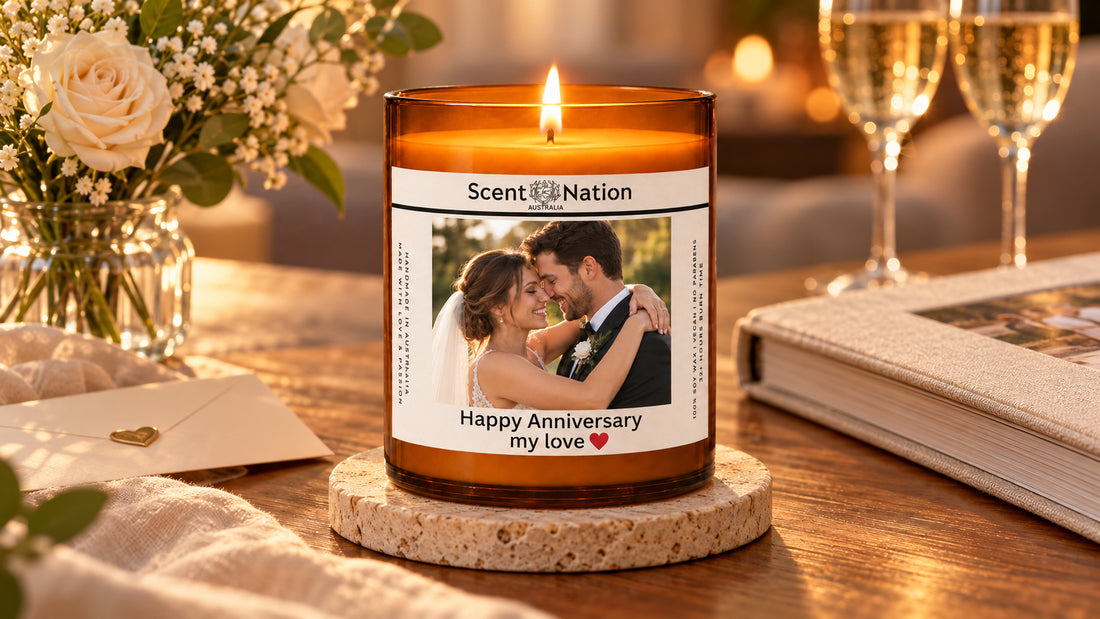
An anniversary gift for your parents can recognise their relationship without requiring a large surprise or a complicated family production. Begin by asking how they want to mark the occasion and whether they would enjoy a keepsake, experience or practical gift.
The family's enthusiasm should support their preferences, not replace them.
Agree on one main idea
A shared meal, photo book, planned outing or personalised keepsake can all work. Choose the format before collecting money or asking everyone for material.
If the anniversary is a milestone, check whether your parents want the number featured. Some couples enjoy a silver or golden anniversary theme; others prefer a simple date or message.
Give contributors a clear task
Ask each person for one photograph or a short note about a memory. Set a deadline and nominate one organiser to assemble the result. Keep financial contributions private and optional.
For photographs, ask permission from the people shown and avoid including private moments just because they are available. A smaller set of well-chosen images can be more enjoyable than an unedited archive.
Include the relationship as it is now
Wedding photographs are a natural starting point, but current interests and everyday rituals can make the gift feel alive. A favourite walk, shared hobby or familiar place may be just as meaningful as the formal anniversary image.
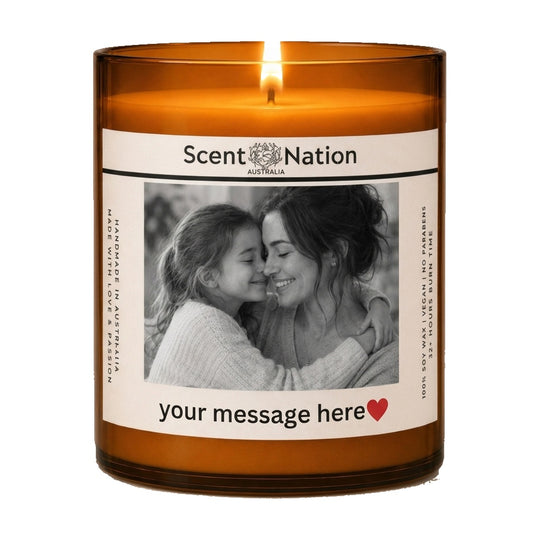
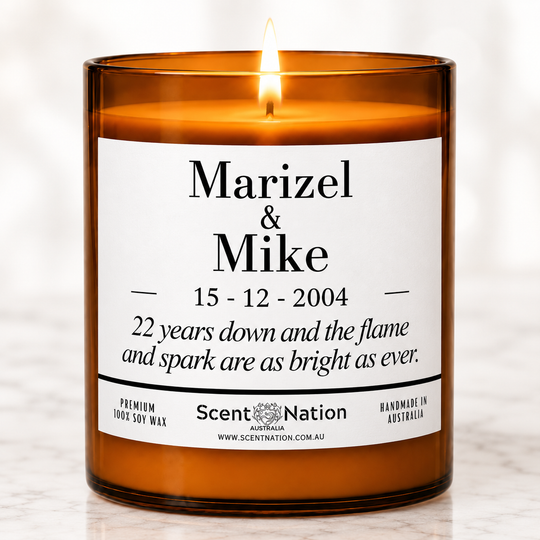
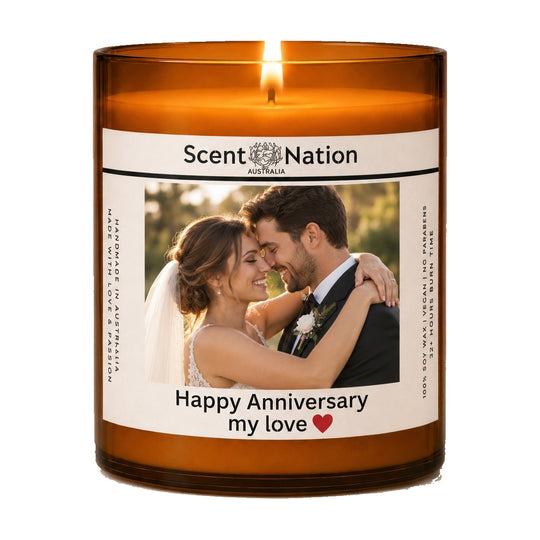
If a candle suits their household, browse anniversary gifts for parents. A map or location gift can be relevant when one place carries the story, but confirm the actual customisation options before planning the message.
Make experiences easy to receive
Check dates, transport, accessibility and any additional costs. Offer choices where possible. If you promise to organise something, take responsibility for the arrangements rather than handing your parents another set of tasks.
A quiet meal can be more welcome than a surprise party. Ask before inviting a large group or arranging public speeches.
A practical guide to anniversary gifts for parents from a family group
Make the organising part of the gift. Agree on whether your parents want a gathering, experience or keepsake, then give relatives a clear contribution brief. Confirm the anniversary date from a reliable family record. Avoid surprising them with a public tribute, a guest list or a large memory collection unless that is a celebration they would enjoy.
The situations below are illustrative gift ideas, with original sample wording. They are not customer stories or testimonials. Choose the direction that matches what you know about the recipient, and adapt the words to your own relationship.
Four ways to make the choice more personal
They want everyone together
Consider an agreed family gathering. This direction works because the family handles the practical work. Before committing, confirm guest list, timing and transport.
Possible wording: “Your people, celebrating your story”
They enjoy remembering shared places
Consider a location keepsake from the family. This direction works because the place tells a story both parents recognise. Before committing, confirm the venue or location and date.
Possible wording: “Where a family story began”
Relatives have different budgets
Consider voluntary contributions with shared inclusion. This direction works because the present avoids financial pressure. Before committing, confirm how unused funds are handled.
Possible wording: “With love from all of us”
They prefer a quiet anniversary
Consider a small letter collection or private meal. This direction works because the scale follows their preference. Before committing, confirm whether private photographs may be included.
Possible wording: “A little celebration, entirely your way”
Three questions to settle before choosing
- Have both parents been consulted?
- Who handles the final arrangements?
- Is the contribution optional?
Keep a shared gift collection manageable
Nominate one organiser and one person to check the final details. These can be the same person, but make the responsibility explicit. The organiser needs a written record of the agreed gift, maximum total, contribution deadline, delivery contact and final wording. A group chat is useful for discussion; it is less useful as the only record of a changing order.
Invite contributions privately and make them optional. Someone who cannot contribute money can still write a note, choose a photograph or help with the arrangements. Do not print contribution amounts in the card or treat a smaller contribution as a smaller share in the celebration. Agree in advance whether every willing participant will appear in the message.
Confirm the available total before committing to the purchase. If the collection is smaller than expected, choose a suitable smaller present rather than pressuring people to make up the difference. If money is left over, explain whether it will be returned, added to an agreed extra or used another way approved by contributors.
Give the group one final version to check. Send the exact names, date and message, with a clear deadline for corrections. After that point, one person should place the order and track its progress. If a late suggestion would change the whole idea, keep it for the card instead of restarting the purchase. The recipient should receive a thoughtful present, not the burden of the collection process.
Edit a memory collection so it is easy to enjoy
Set a small contribution brief before asking people for memories. Request one photograph, one short recollection or one sentence about the recipient. Give a deadline and explain the intended format. An open request for everything often creates a sorting project rather than a gift. A few clear, welcome contributions can make a more coherent keepsake.
Choose memories from the recipient’s perspective. A story that entertains the family may be embarrassing to the person receiving the present. Leave out material that requires them to defend, explain or laugh along with something uncomfortable. If a photograph or story concerns other people’s private lives, ask before including it.
Organise the material around a simple theme: a shared trip, a familiar ritual, a relationship or a milestone. Add names and short captions where they help the recipient recognise the context. Check dates rather than inventing an order. If you are unsure, a caption such as “One of our favourite days together” can be accurate without a calendar detail.
Balance memories with the person’s current interests. A birthday or anniversary gift does not need to imply that the past was the best part of their life. Finish with an invitation, a warm wish or a reference to something they enjoy now. Keep the collection small enough to look through comfortably, and let a single selected image become the focus of any personalised object.
Check names, dates and wording before they become permanent
Copy the recipient’s preferred name from a reliable source rather than memory. Ask whether they use a nickname, full name, family title or a particular spelling. For a couple or group, check every name separately. One correct name does not make the rest of the order correct, and a family relationship does not automatically tell you how someone wants to be addressed on a display item.
Keep the date format clear. A written month can avoid ambiguity, but use the format supported by the product you are ordering. Verify the underlying date first: the ceremony date may differ from the date a course finished, and a moving date may differ from settlement. Choose the event you mean to remember rather than mixing several milestones into one line.
Read the final message aloud. This helps you hear whether it sounds like something you would actually say and whether a joke needs more explanation than the label allows. Check punctuation, apostrophes and any accent marks in names. Do not add a qualification, professional title or number of years simply because it looks impressive; include it only when it is confirmed.
Save one approved version before submitting the order. If family members are helping, ask them to correct that exact version rather than sending alternative drafts in separate messages. Check any character limit or available customisation field on the current product page. Where a detail is uncertain, leave it out or confirm it before ordering. A simple accurate design is stronger than a detailed guessed one.
Make an experience easy to accept and enjoy
An experience becomes a useful gift when the recipient can actually take part. Ask about the activity and availability before buying a fixed booking. Someone can love the idea of an outing and still find its location, date or duration inconvenient. A flexible plan is often easier to enjoy than a surprise that requires rearranging work or family commitments.
Decide what you are giving: the cost of the activity, your company, the planning, transport or a combination. Make that clear in the card. “I would love to take you for lunch; you choose the day” is a different present from a voucher the recipient must arrange alone. Neither is automatically better, but the expectations should be clear.
Check the provider’s current terms before committing. Look at booking requirements, expiry, cancellation arrangements and anything the recipient needs to bring or pay for separately. Do not present a fixed-date booking as flexible if the terms do not support that. Where practical details are important, choose together and let the personal note provide the surprise.
If the real gift is time together, give it a next step. Offer two possible dates, agree on a place or explain who will make the arrangements. Avoid leaving the recipient with an attractive promise that never becomes a plan. You can still include a small keepsake, but only if it adds meaning rather than becoming the main cost of an experience they wanted more.
Short wording you can adapt
Use these original sample lines as a starting point. Keep the wording that sounds like you, and change or remove anything that does not fit the person. A short line can sit on an appropriate personalised item; the longer explanation belongs in the card. Check the actual customisation options and space available before ordering.
- The story that brought us together
- With love for another year of you both
- A family thank-you, and an anniversary wish
- Your next good memory starts here
To make a line your own, add one accurate personal detail: the name they use, a memory they recognise or a brief reference to the occasion. You do not need to use all three. Read the result aloud before deciding whether it belongs on the gift itself or in a private note.
Keep the wording inclusive and accurate
Original sample lines include “With love for the life you have built together” and “Celebrating your years, your stories and the days ahead”. Confirm the date and number of years rather than calculating from an uncertain memory.
For a small label, use a short inscription and put individual family messages in the card. Our personalised-gift guide can help with the format.
The gift does not need to represent every moment of their relationship. One thoughtful idea, chosen with their preferences in mind, can be enough.