

A map gift is most meaningful when the recipient can explain the place without needing to read a long caption. It might mark where you met, a first home, a wedding venue or a town that still feels like home.
Choose the memory first. Then decide how precisely you want to show the location and which details the recipient would feel comfortable displaying.
Find the right place, not just a convenient address
For a couple, the place they met may carry more meaning than their current home. For someone moving interstate, a hometown can acknowledge what they are leaving, while the new location can celebrate what comes next. Ask which story you want the gift to tell.
A trip can also provide a location, but check that it is a memory the recipient enjoyed. A place that matters to the giver is not automatically the recipient's favourite place.
Decide how much detail to include
You do not always need a full street address. A suburb, town or landmark may express the memory while keeping a private home location less prominent. This is particularly worth considering if the recipient is likely to photograph the gift and share it publicly.
Confirm names and dates separately. A moving date, settlement date and first night in the home may be different. Use the date that belongs to the story you are marking.
Compare the available formats
A framed map, printed card, photo book or personalised candle can all carry a place. Choose the underlying product according to how the recipient lives. A beautiful map is not a reason to buy them an item they will not use.
Browse map and location candles for Scent Nation's current options. Read the individual product controls to see which location and wording details it accepts. A location map and a star-map design are different formats; do not assume the same information or appearance applies to both.
Keep the wording connected to the place
Original sample lines include “Where our story began”, “Our first place” and “A little piece of home”. A more specific line, such as “The town we always return to”, can feel less generic if it reflects the relationship.
Put the longer explanation in a card. The personalisation guide can help keep the visible wording short enough to read.
A practical guide to map and location keepsakes
A location gift should tell a story without exposing more private information than the recipient wants displayed. Begin with the actual memory, then choose the level of detail: a town, venue, neighbourhood or precise place. A move, a first meeting and a wedding are different stories even when they happened at the same address.
The situations below are illustrative gift ideas, with original sample wording. They are not customer stories or testimonials. Choose the direction that matches what you know about the recipient, and adapt the words to your own relationship.
Four ways to make the choice more personal
The place a couple first met
Consider a location keepsake with one short caption. This direction works because the location carries a story both people recognise. Before committing, confirm the correct place and whether the meeting date is known.
Possible wording: “Where our story began”
A first shared home
Consider a neighbourhood or home-location design. This direction works because the place marks a relationship milestone. Before committing, confirm how much address detail the household wants displayed.
Possible wording: “Our first place, our first chapter”
A favourite family trip
Consider a destination-based memento. This direction works because the memory belongs to the people rather than an impressive map design. Before committing, confirm the town or landmark that actually mattered.
Possible wording: “The place we still talk about”
A hometown remembered from afar
Consider a town-based keepsake. This direction works because the connection can stay meaningful without showing a private address. Before committing, confirm the recipient’s relationship with that place today.
Possible wording: “A little piece of the place we call home”
Three questions to settle before choosing
- Does the location tell the intended story?
- Is exact address detail necessary?
- Will the caption make sense to the recipient?
Decide how precisely to show a meaningful place
Write down the memory in an ordinary sentence before choosing a map or location design. “This is where we met” gives you a different brief from “This was our first home”. The design should express that sentence clearly. If you cannot explain why the place matters, a photograph or a simple message may be a better personal detail.
Check the location against something reliable, such as your own records or an agreed family memory. A familiar town name may be enough, while a venue or street can require closer checking. Do not add coordinates or an exact address simply because they look decorative. Those details are useful only when they are correct and wanted.
Think about where the present will be displayed. A private home address may not be appropriate on an item kept in a workplace, photographed publicly or given to someone who values privacy. You can often tell the same story through a town, neighbourhood or short caption. Let the recipient’s comfort set the level of detail.
Finally, separate the location from the date. You may know the place with certainty and still be unsure when the event happened. It is better to omit an uncertain date than to make a confident guess. Put only checked information on the permanent item, and use the card to describe the memory in your own words.
Check names, dates and wording before they become permanent
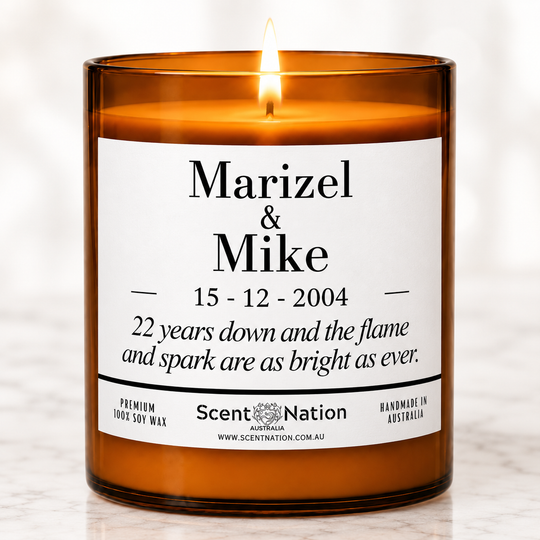
Copy the recipient’s preferred name from a reliable source rather than memory. Ask whether they use a nickname, full name, family title or a particular spelling. For a couple or group, check every name separately. One correct name does not make the rest of the order correct, and a family relationship does not automatically tell you how someone wants to be addressed on a display item.
Keep the date format clear. A written month can avoid ambiguity, but use the format supported by the product you are ordering. Verify the underlying date first: the ceremony date may differ from the date a course finished, and a moving date may differ from settlement. Choose the event you mean to remember rather than mixing several milestones into one line.
Read the final message aloud. This helps you hear whether it sounds like something you would actually say and whether a joke needs more explanation than the label allows. Check punctuation, apostrophes and any accent marks in names. Do not add a qualification, professional title or number of years simply because it looks impressive; include it only when it is confirmed.
Save one approved version before submitting the order. If family members are helping, ask them to correct that exact version rather than sending alternative drafts in separate messages. Check any character limit or available customisation field on the current product page. Where a detail is uncertain, leave it out or confirm it before ordering. A simple accurate design is stronger than a detailed guessed one.
Keep private details in the right place
Decide which details belong on a display item and which belong only in the card. A first name and a short phrase can tell a story without showing an address, full birthdate or private family information. More personal data does not automatically make a gift more meaningful. Include only the details needed to express the connection.
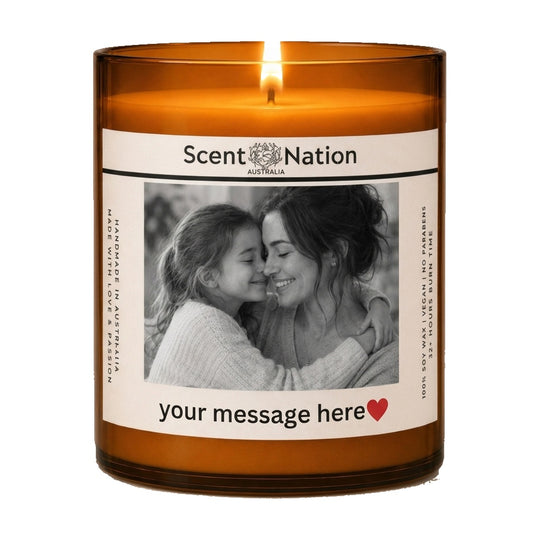
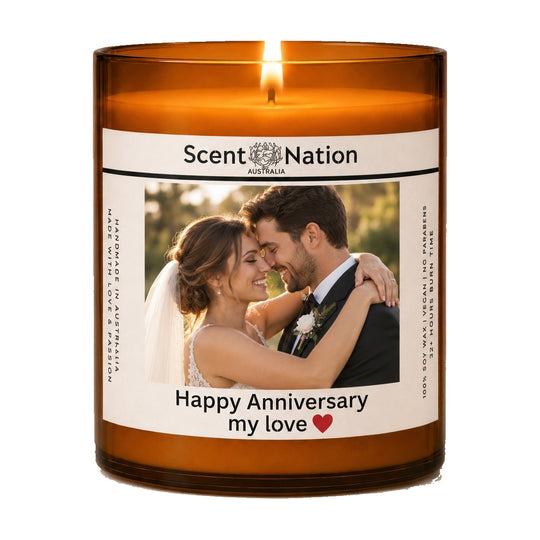
Ask before using someone else’s photograph, a private family message or a sensitive memory. The recipient may love the picture in a family album and still prefer not to have it displayed in another format. If several people appear, think about whether the image is suitable for the setting in which the gift will be used.
Separate the gift from public content about the gift. Giving a personal present does not mean the recipient wants a photograph of it posted online. Ask before sharing their image or story, and check whether any visible wording reveals information they keep private. A keepsake can remain meaningful without becoming a public announcement.
For a workplace, school or care-related message, use a specific but appropriate appreciation. Leave confidential details out of a shared card. If you want to explain something personal, write it in a private note instead. The goal is a gift the recipient can enjoy and display comfortably, with control over how much of their story other people see.
Turn a photograph into a clear personal brief
Choose the photograph for its meaning before deciding how it should be displayed. Look for an image in which the important people or subject are easy to recognise. A technically tidy picture is useful, but a photograph the recipient dislikes of themselves is still the wrong choice. Ask which version they prefer if there is any doubt.
Use the original image file where possible. A screenshot may include a phone interface, captions or a crop that removes part of the story. Before submitting it, open the file you intend to upload and check the edges. If two people should appear together, make sure neither is cut off and that the background does not overwhelm them.
Write a separate note explaining what must remain visible. For example, say that both faces need to appear, or that the dog is the main subject. Check the product’s actual upload instructions and available design options; do not assume the maker can repair every image or offer a proof unless that service is stated.
Keep the printed caption shorter than the story in your card. A name, a date or one recognisable phrase can be enough on the object. The card can explain why you chose the picture. If the image includes private family material, ask before putting it on a display item or sharing a photograph of the finished present online.
Short wording you can adapt
Use these original sample lines as a starting point. Keep the wording that sounds like you, and change or remove anything that does not fit the person. A short line can sit on an appropriate personalised item; the longer explanation belongs in the card. Check the actual customisation options and space available before ordering.
- A place worth remembering
- Our story has a location
- Where the ordinary became ours
- Different roads, one shared memory
To make a line your own, add one accurate personal detail: the name they use, a memory they recognise or a brief reference to the occasion. You do not need to use all three. Read the result aloud before deciding whether it belongs on the gift itself or in a private note.
Check before you order
Review the selected place, spelling, date and product options together. If the location is ambiguous or shares a name with another town, ask for clarification before proceeding. Our personalised-gift guide can help you decide whether a photograph or message would communicate the memory more clearly than a map.