



A host thank-you gift should recognise the welcome without adding work. What suits a dinner invitation may differ from a weekend stay, so think about the effort involved and what the host would actually enjoy.
A sincere note can be enough. If you add a present, keep it proportionate to the relationship rather than treating hospitality as a bill to settle.
For a dinner invitation
Ask whether you can bring anything before choosing food or drink. The host may already have a menu, dietary requirements or limited fridge space. Something that needs cooking, arranging or immediate serving can be inconvenient even when well intended.
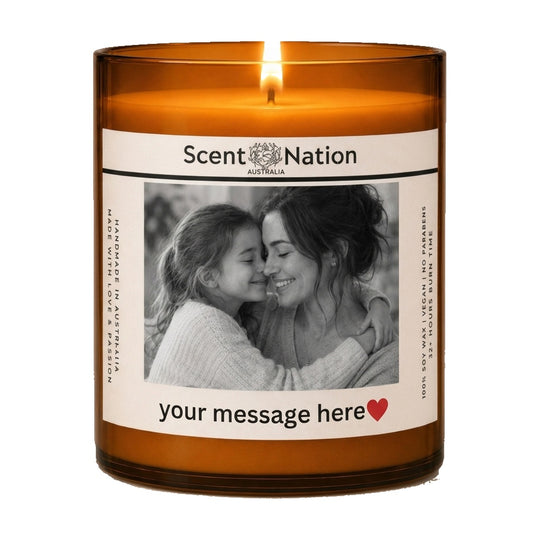
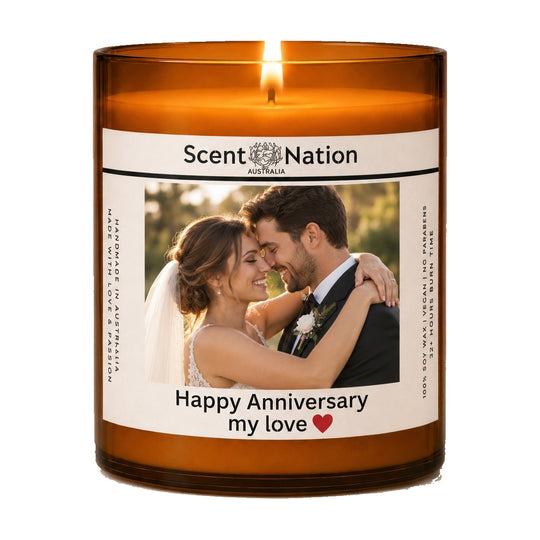
A small gift for later can be easier: a known favourite consumable, a bookshop voucher or a personal card. If the host likes candles, a carefully chosen candle may also work. Browse greeting gifts as one possible option, not an expectation.
For an overnight stay
Think about the specific kindness you appreciated. Did they rearrange a room, collect you from the station or make time for you during a busy week? Mention it in the note.
You can offer a meal, replenish something with their agreement or arrange a thank-you after returning home. Avoid replacing household items without asking, even if you think your choice is an upgrade.
When sending the gift afterwards works better
A later note lets you include a real detail from the visit. It also avoids arriving with something the host must find space for during a busy gathering.
Confirm the address and timing before posting. If choosing a personalised item, check the current shipping information and separate production time from carrier delivery.
Keep the message specific
Original examples include “Thank you for making a busy week feel easy”, “We loved the long conversation around your table” and “You made us feel completely welcome”. Use only details that reflect the visit.
For a small product label, a brief “With thanks for having us” can be enough, with the longer message in the card.
A practical guide to thank-you gifts for hosts
A host gift should acknowledge the welcome without creating another task during the event. Ask before bringing food that needs preparation or anything that must be displayed immediately. A short note sent afterwards can mention a specific moment you appreciated. Your gratitude need not be measured by the size of the parcel.
The situations below are illustrative gift ideas, with original sample wording. They are not customer stories or testimonials. Choose the direction that matches what you know about the recipient, and adapt the words to your own relationship.
Four ways to make the choice more personal
You are arriving for dinner
Consider a manageable gift requiring no immediate action. This direction works because the host can keep hosting. Before committing, confirm food preferences and whether a contribution is wanted.
Possible wording: “Thank you for making room for us”
You stayed overnight
Consider a specific note and an appropriate chosen gift. This direction works because the thanks recognise the extra welcome. Before committing, confirm what would suit the household.
Possible wording: “Thank you for making your home feel like ours”
The host dislikes more objects
Consider a familiar consumable or agreed contribution. This direction works because the gesture does not create clutter. Before committing, confirm their preferences.
Possible wording: “Something to enjoy after the hosting is done”
You want to send thanks later
Consider a concise note recalling the occasion. This direction works because a specific detail makes the appreciation personal. Before committing, confirm the correct address if posting.
Possible wording: “Still smiling about that lovely evening”
Three questions to settle before choosing
- Does the gift interrupt the hosting?
- Have preferences been checked?
- What specific kindness are you thanking them for?
Check food, drink and fragrance preferences separately
A gift theme does not establish a taste. A person who likes quiet evenings may have strong fragrance preferences; a keen cook may avoid particular foods; a reader may prefer neither tea nor coffee. Ask about the relevant preference before adding a consumable. If the detail remains unknown, choose another direction rather than filling the hamper with guesses.
Keep the amount manageable. A small quantity of something the recipient actually enjoys can be more useful than a large mixed selection. Consider how the gift will travel, where it will be stored and whether the person can comfortably use it. Check the current product information for anything important to the choice instead of relying on the theme or appearance.
For a candle, establish that the recipient enjoys using candles before selecting a fragrance. Then use their stated preference or let them choose from the actual options. Read the maker’s instructions and include the supplied care information. Do not describe a fragrance as universally liked or make health, sleep, therapeutic or pet-safety promises as part of the gift idea.
A non-fragrance or non-food alternative is a complete present, not a compromise that needs extra decoration. A letter, photograph, reading accessory or planned experience can carry the same personal connection. Let the practical preferences narrow the choice; the message and memory can supply the warmth.
Give meaning without adding unwanted possessions
When someone prefers fewer objects, start by taking that preference seriously. Ask whether they would enjoy a consumable, shared activity, letter or specific practical help. Do not interpret a request for less clutter as a challenge to find an object too sentimental to refuse. A thoughtful present should leave the recipient free to enjoy it without finding a new place to store it.
A letter can carry a memory that a physical product would otherwise have carried. Describe one moment, explain what it meant to you and finish with a simple wish. Keep the note proportionate to the relationship. There is no need to collect every photograph or recount a whole life when one recognisable detail says enough.
Practical help needs agreement. Name the task, ask whether it would be useful and let the person set boundaries. Offering to help with an errand is different from deciding to reorganise their home. If they accept, arrange a time and follow through. The present is the useful work completed, not the announcement that you might help one day.
For consumables, choose a known preference and an amount they can comfortably use. A large box of unfamiliar products may create the same burden as décor. If you remain unsure, a choice made together can be warmer than a surprise selected against their wishes. The personal part can be your attention, your company and the fact that you listened.
Choose the tone before shortening the message
Start with one of three intentions: appreciation, celebration or companionship. Appreciation thanks the person for something real. Celebration recognises a moment or achievement. Companionship says that you are present without making a demand. Choosing the intention first makes it easier to remove words that do not serve the gift.
Then decide where the words will appear. A label should make sense without a long explanation. A card can carry a memory, context and your own voice. A group card may need wording everyone is comfortable signing, while a private letter can be more specific. Do not force the longest version onto the smallest surface.
For humour, use a familiar harmless routine rather than a vulnerable subject. A joke about always choosing one more chapter is different from a joke about someone’s age, finances or relationship. Imagine the recipient reading the line in front of other people. If the joke relies on their embarrassment, choose another line.
After editing, ask whether the message still sounds like you. A simple sentence can be more personal than an elaborate sentiment you would never say aloud. Keep one recognisable detail and remove the rest of the decoration. You can write a short label and a warmer card without repeating exactly the same words on both. The two pieces should support each other.
Plan the order around the date you need the gift
Start with the day the gift must be in your hands or with the recipient. Then check the current production information and delivery arrangements separately. A personalised item may need preparation before it can be dispatched. Do not read a shipping estimate as a promise that covers the whole order process.
Gather names, dates, photographs and approvals before you place the order. Waiting for a family member to send the right picture can use more time than choosing the product. For a group gift, set an internal deadline for the final brief. If a required detail remains uncertain, choose a simpler design rather than submitting a guess to avoid waiting.
Confirm the delivery address with the recipient or a reliable contact, especially after a move. Decide who will receive the parcel and whether someone needs to carry it to the celebration. If you are sending directly, check which message and packaging options the seller actually provides. Do not assume that a price-free packing slip, gift wrap or personal note is automatically included.
When the timeline is uncertain, make a clear alternative plan. You could give the card on the occasion and explain that a separately chosen gift is on its way, or select an appropriate item that is available in time. Avoid making an arrival claim you cannot support. The relationship can be celebrated on the day even when the parcel follows later.
Short wording you can adapt
Use these original sample lines as a starting point. Keep the wording that sounds like you, and change or remove anything that does not fit the person. A short line can sit on an appropriate personalised item; the longer explanation belongs in the card. Check the actual customisation options and space available before ordering.
- For the welcome we will remember
- With thanks for a lovely evening
- Your turn to enjoy a quiet moment
- Grateful for your generous company
To make a line your own, add one accurate personal detail: the name they use, a memory they recognise or a brief reference to the occasion. You do not need to use all three. Read the result aloud before deciding whether it belongs on the gift itself or in a private note.
Do not confuse a host gift with a housewarming gift
A housewarming present marks a new home; a host gift thanks someone for their hospitality. You may not know the household's décor or needs well enough to buy a permanent object.
If the invitation also celebrates a move, our housewarming gift guide can help. Otherwise, choose something that makes receiving the thank-you easy. The host should not need to host the gift as well.