

A gift “from the dog” is a playful way to recognise the human who does the walks, opens the treat cupboard and makes room on the sofa. The joke works best when it sounds like the relationship they already enjoy.
Choose the present for the person, then add the dog's voice in a short message. It does not need to be a pet product to carry the idea.
Start with something the dog actually does
Think of a harmless, familiar habit: arriving early for dinner, claiming a favourite chair or greeting the owner with enormous enthusiasm. Use a detail they find endearing rather than one that causes real frustration.
A line about muddy paws may be funny in one household and unwelcome in another. The recipient should feel included in the joke, not criticised by it.
Short messages from the dog
- “Thanks for every walk. Even the short ones.”
- “My favourite human. Please do not tell the others.”
- “I chose this. Someone else did the typing.”
- “For the person who always comes home to me.”
- “You bring the treats. I bring the personality.”
- “Sorry about the sofa. Still love you.”
These are original examples to adapt. Check the selected product's customisation options before planning to print one. Our gifts from the dog collection provides a starting point for available designs.
For birthdays and thank-yous
For a birthday, try “Another year as my favourite person” or “I would sing, but you know how that goes”. Keep age jokes out unless the recipient enjoys them.
For a thank-you, use “For all the care you give without making a fuss” or “The walks, the patience, the extra little treat — thank you”. A longer card can explain the thought while the gift carries only the short line.
Check the signature
Use the dog's actual name, with the owner's preferred spelling. If the household has several dogs, include all of them or make it clear why the gift is from one. Do not use a deceased pet's voice casually; remembrance needs a different and more sensitive approach.
A practical guide to funny gifts written in the dog’s voice
Use a recognisable harmless habit as the starting point for the dog’s voice. A short, affectionate joke about walks, treats or the sofa can work because the recipient recognises the relationship. Keep the present itself suitable for the human. The dog’s imaginary message should enhance the gift rather than become a reason to buy pet equipment the owner has not chosen.
The situations below are illustrative gift ideas, with original sample wording. They are not customer stories or testimonials. Choose the direction that matches what you know about the recipient, and adapt the words to your own relationship.
Four ways to make the choice more personal
The dog claims the best sofa spot
Consider a human gift with a sofa-based joke. This direction works because the recipient recognises the household ritual. Before committing, confirm they enjoy the joke rather than feeling criticised.
Possible wording: “Thank you for sharing my sofa”
The dog waits at the treat cupboard
Consider a short thank-you in the dog’s voice. This direction works because the humour is affectionate and specific. Before committing, confirm the wording fits the design.
Possible wording: “To my favourite snack assistant”
The owner loves long walks
Consider a gift celebrating their shared routine. This direction works because the message centres the time they spend together. Before committing, confirm the actual routine.
Possible wording: “Five stars for walks. Would follow again.”
The dog follows them around the house
Consider a photo gift with a brief companion message. This direction works because the individual bond gives the line meaning. Before committing, confirm the portrait and correct human name.
Possible wording: “Thanks for never going anywhere without your supervisor”
Three questions to settle before choosing
- Would the human recognise the habit?
- Is the joke kind?
- Does only one short joke need to appear on the gift?
Choose the tone before shortening the message
Start with one of three intentions: appreciation, celebration or companionship. Appreciation thanks the person for something real. Celebration recognises a moment or achievement. Companionship says that you are present without making a demand. Choosing the intention first makes it easier to remove words that do not serve the gift.
Then decide where the words will appear. A label should make sense without a long explanation. A card can carry a memory, context and your own voice. A group card may need wording everyone is comfortable signing, while a private letter can be more specific. Do not force the longest version onto the smallest surface.
For humour, use a familiar harmless routine rather than a vulnerable subject. A joke about always choosing one more chapter is different from a joke about someone’s age, finances or relationship. Imagine the recipient reading the line in front of other people. If the joke relies on their embarrassment, choose another line.
After editing, ask whether the message still sounds like you. A simple sentence can be more personal than an elaborate sentiment you would never say aloud. Keep one recognisable detail and remove the rest of the decoration. You can write a short label and a warmer card without repeating exactly the same words on both. The two pieces should support each other.
Turn a photograph into a clear personal brief
Choose the photograph for its meaning before deciding how it should be displayed. Look for an image in which the important people or subject are easy to recognise. A technically tidy picture is useful, but a photograph the recipient dislikes of themselves is still the wrong choice. Ask which version they prefer if there is any doubt.
Use the original image file where possible. A screenshot may include a phone interface, captions or a crop that removes part of the story. Before submitting it, open the file you intend to upload and check the edges. If two people should appear together, make sure neither is cut off and that the background does not overwhelm them.
Write a separate note explaining what must remain visible. For example, say that both faces need to appear, or that the dog is the main subject. Check the product’s actual upload instructions and available design options; do not assume the maker can repair every image or offer a proof unless that service is stated.
Keep the printed caption shorter than the story in your card. A name, a date or one recognisable phrase can be enough on the object. The card can explain why you chose the picture. If the image includes private family material, ask before putting it on a display item or sharing a photograph of the finished present online.
Check names, dates and wording before they become permanent
Copy the recipient’s preferred name from a reliable source rather than memory. Ask whether they use a nickname, full name, family title or a particular spelling. For a couple or group, check every name separately. One correct name does not make the rest of the order correct, and a family relationship does not automatically tell you how someone wants to be addressed on a display item.
Keep the date format clear. A written month can avoid ambiguity, but use the format supported by the product you are ordering. Verify the underlying date first: the ceremony date may differ from the date a course finished, and a moving date may differ from settlement. Choose the event you mean to remember rather than mixing several milestones into one line.
Read the final message aloud. This helps you hear whether it sounds like something you would actually say and whether a joke needs more explanation than the label allows. Check punctuation, apostrophes and any accent marks in names. Do not add a qualification, professional title or number of years simply because it looks impressive; include it only when it is confirmed.
Save one approved version before submitting the order. If family members are helping, ask them to correct that exact version rather than sending alternative drafts in separate messages. Check any character limit or available customisation field on the current product page. Where a detail is uncertain, leave it out or confirm it before ordering. A simple accurate design is stronger than a detailed guessed one.
Keep private details in the right place
Decide which details belong on a display item and which belong only in the card. A first name and a short phrase can tell a story without showing an address, full birthdate or private family information. More personal data does not automatically make a gift more meaningful. Include only the details needed to express the connection.
Ask before using someone else’s photograph, a private family message or a sensitive memory. The recipient may love the picture in a family album and still prefer not to have it displayed in another format. If several people appear, think about whether the image is suitable for the setting in which the gift will be used.
Separate the gift from public content about the gift. Giving a personal present does not mean the recipient wants a photograph of it posted online. Ask before sharing their image or story, and check whether any visible wording reveals information they keep private. A keepsake can remain meaningful without becoming a public announcement.
For a workplace, school or care-related message, use a specific but appropriate appreciation. Leave confidential details out of a shared card. If you want to explain something personal, write it in a private note instead. The goal is a gift the recipient can enjoy and display comfortably, with control over how much of their story other people see.
Short wording you can adapt
Use these original sample lines as a starting point. Keep the wording that sounds like you, and change or remove anything that does not fit the person. A short line can sit on an appropriate personalised item; the longer explanation belongs in the card. Check the actual customisation options and space available before ordering.
- You are my favourite human. Do not tell the others.
- Love, your unpaid doorbell
- Thanks for keeping the treat department open
- I brought you this. Technically you paid.
To make a line your own, add one accurate personal detail: the name they use, a memory they recognise or a brief reference to the occasion. You do not need to use all three. Read the result aloud before deciding whether it belongs on the gift itself or in a private note.
Choose a gift the human will use
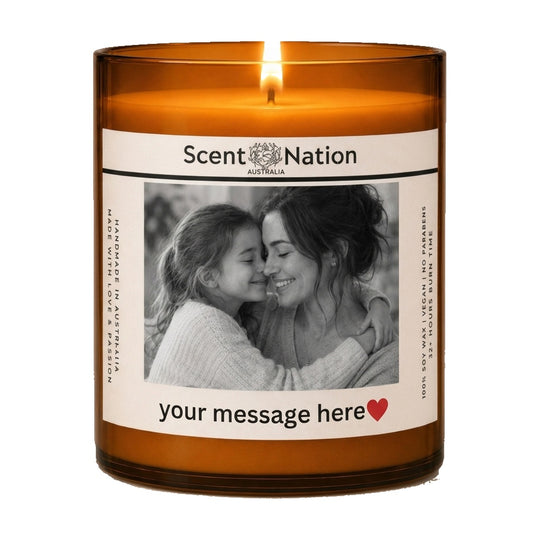
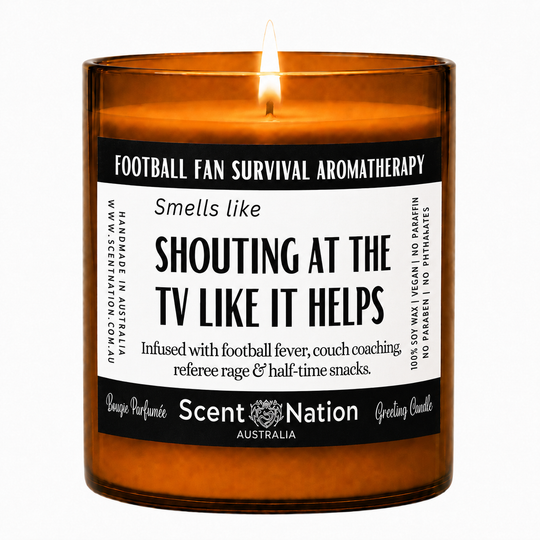
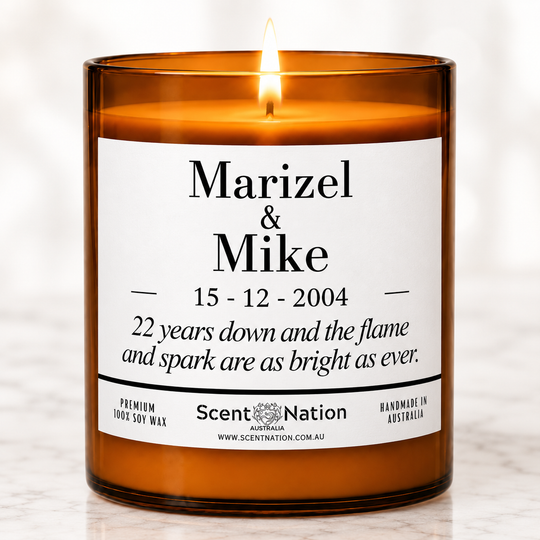
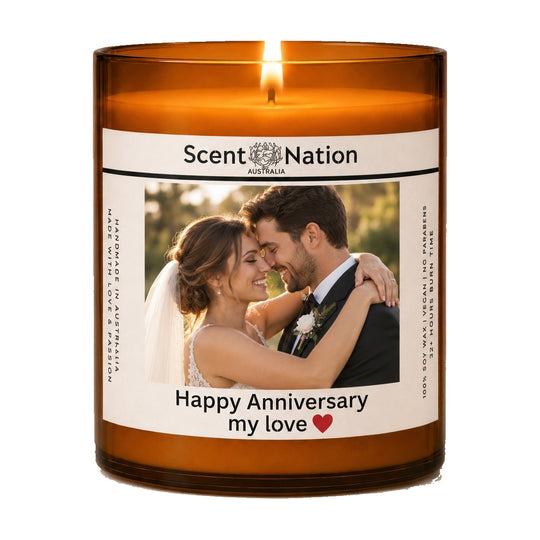
A candle is one option for someone who likes home fragrance. A print, photograph, useful accessory or planned outing can carry the same message. Do not choose fragrance solely because a funny label made you laugh.
Browse dog-lover gifts for other designs, and use the personalisation guide to keep the final wording readable. The strongest gift is affectionate enough to enjoy after the first laugh.