
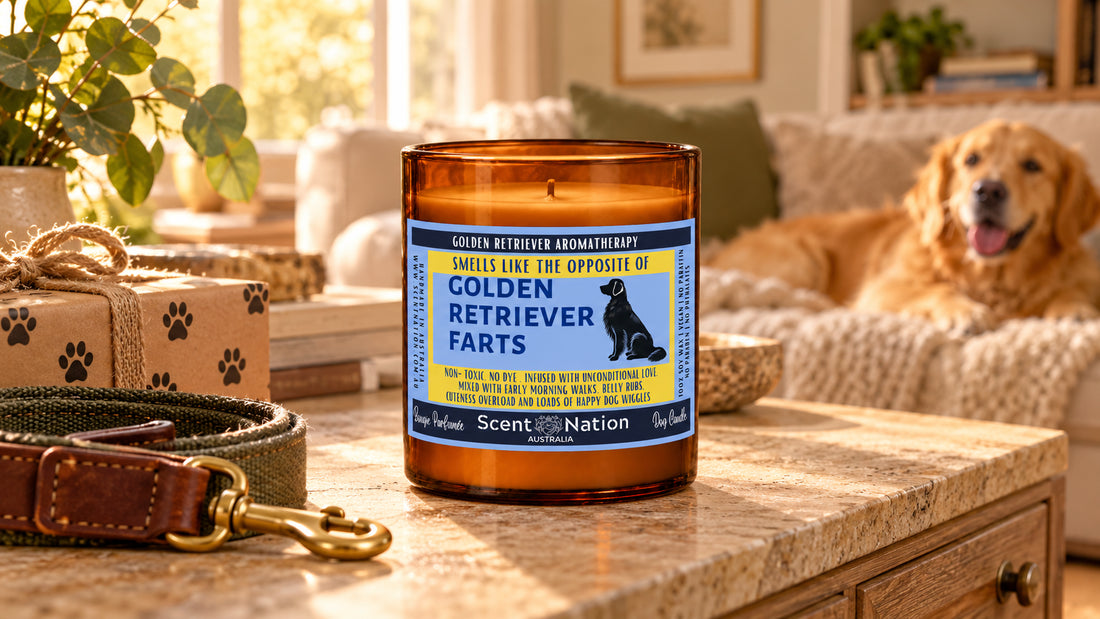
Dog-lover gifts are most thoughtful when they recognise the person behind the lead. Start by separating a present for the owner from a product for the dog: a keepsake, photograph or funny candle is a human gift, while toys and pet equipment need a different kind of selection.
You can celebrate the bond without making every gift a pet-care purchase.
Notice what the owner enjoys
Some owners love breed-themed humour. Others prefer a portrait of their individual dog or a practical item for their daily walk. Think about what they display, use and talk about rather than assuming all dog lovers want the same design.
For a practical gift, ask about the exact bag, accessory or walking routine before buying. For a keepsake, choose a photograph or detail the owner already likes.
Match the design accurately
A breed label should match the dog, including coat type or colour where the design makes that distinction. If the dog is a crossbreed, do not guess which breed the owner identifies with.
Use our dog-breed directory to check available designs. A photograph may be a better route when no illustration feels right, or when the gift is about one particular companion rather than a breed generally.
Decide whether humour belongs
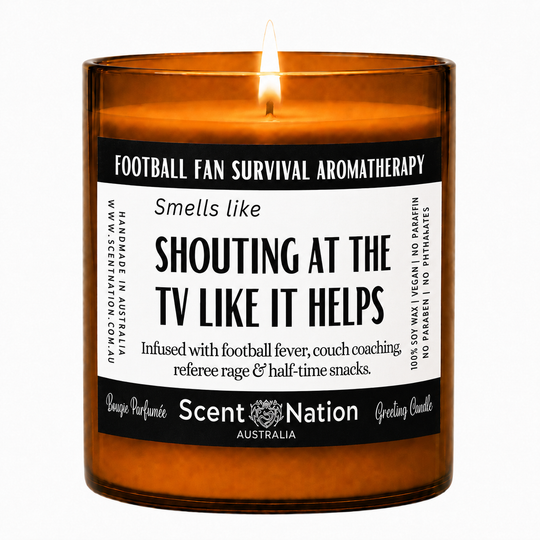
A dog-related joke can feel affectionate when it reflects the owner's own sense of humour. It is less successful when it embarrasses them about their home, their dog's behaviour or how they care for their pet.
Read the exact wording before ordering. If you would hesitate to say it to the recipient in front of their family, choose a gentler design. Browse our dog-lover gifts collection with that distinction in mind.
Keep personalisation simple
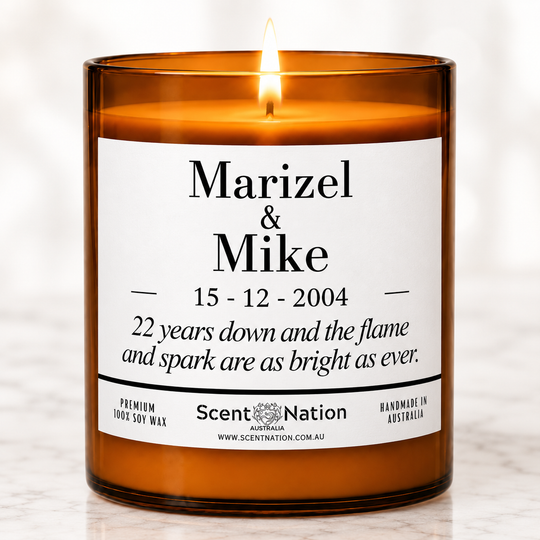
Confirm the dog's name and use the spelling the owner uses, including a nickname only if it is welcome. A short phrase such as “For all the walks together” can be more versatile than a long joke.
If the chosen gift is a candle, check that the owner enjoys candles and knows where they would use it. Do not treat a dog-themed label as a safety certification or a reason to give fragrance to somebody whose preferences are unknown.
A practical guide to dog-lover gifts for the owner
The strongest dog-lover gift recognises a particular relationship. A photograph can suit someone devoted to an individual companion; a breed joke can suit an owner who enjoys that humour; a walking memory can suit someone whose favourite ritual happens outdoors. Check the human’s style and preferences before selecting the format. The owner remains the recipient.
The situations below are illustrative gift ideas, with original sample wording. They are not customer stories or testimonials. Choose the direction that matches what you know about the recipient, and adapt the words to your own relationship.
Four ways to make the choice more personal
They treasure a particular dog’s portrait
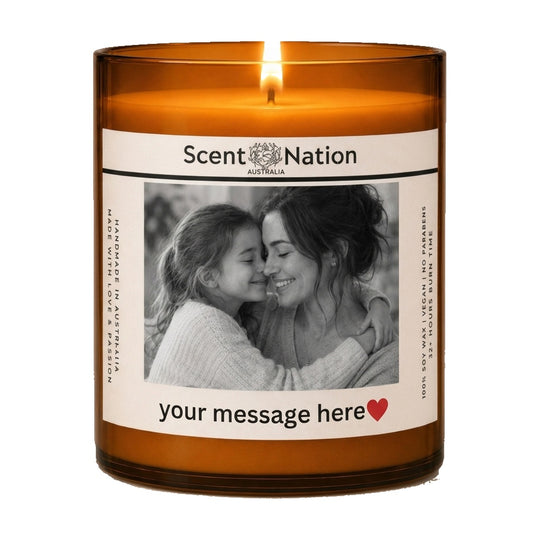
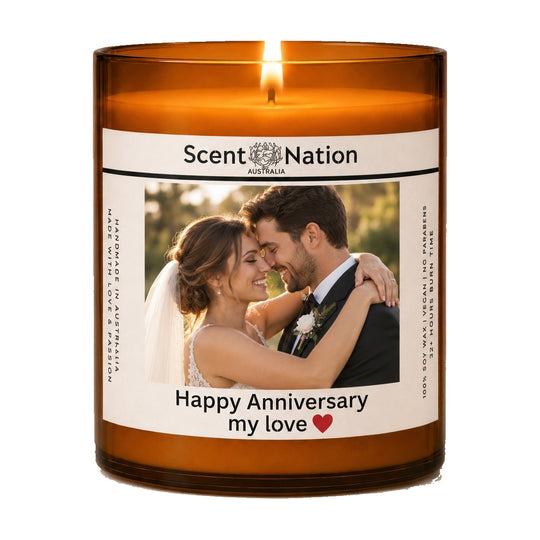
Consider a photo keepsake. This direction works because the individual companion is the point. Before committing, confirm the pet name and a clear original image.
Possible wording: “Your favourite face, kept close”
They enjoy playful breed humour
Consider a light-hearted present for their home. This direction works because the joke connects to an interest they openly enjoy. Before committing, confirm their comfort with cheeky wording.
Possible wording: “Proud member of the dog’s support staff”
They love a regular walking route
Consider a shared outing or place-related memory. This direction works because the routine offers a personal story. Before committing, confirm the route and suitable time.
Possible wording: “For all the walks that become memories”
They prefer very little décor
Consider a compact keepsake or experience. This direction works because the gift respects the home they have chosen. Before committing, confirm whether a physical item is welcome.
Possible wording: “A small gift for a very big bond”
Three questions to settle before choosing
- Are you celebrating the person’s bond with the dog?
- Is their taste obvious or assumed?
- Would a photo be more meaningful than a generic motif?
Turn a photograph into a clear personal brief
Choose the photograph for its meaning before deciding how it should be displayed. Look for an image in which the important people or subject are easy to recognise. A technically tidy picture is useful, but a photograph the recipient dislikes of themselves is still the wrong choice. Ask which version they prefer if there is any doubt.
Use the original image file where possible. A screenshot may include a phone interface, captions or a crop that removes part of the story. Before submitting it, open the file you intend to upload and check the edges. If two people should appear together, make sure neither is cut off and that the background does not overwhelm them.
Write a separate note explaining what must remain visible. For example, say that both faces need to appear, or that the dog is the main subject. Check the product’s actual upload instructions and available design options; do not assume the maker can repair every image or offer a proof unless that service is stated.
Keep the printed caption shorter than the story in your card. A name, a date or one recognisable phrase can be enough on the object. The card can explain why you chose the picture. If the image includes private family material, ask before putting it on a display item or sharing a photograph of the finished present online.
Choose for a real routine, not an imagined lifestyle
Look for a habit the recipient already enjoys. They may read before bed, take a regular walk, keep a notebook, cook with family or make time for a hobby. Start there rather than creating a new routine for them. A gift that fits something they do can be easier to enjoy than a present that comes with an unspoken instruction to become a different kind of person.
Ask what feels inconvenient about that routine. The answer might be practical, such as carrying a book in a bag, or it might simply be that they would like more time. Solve one problem rather than buying a complete set of accessories. Check what they already own so the gift adds something useful instead of duplicating a familiar item.
If the routine involves fragrance, food or drink, find out the actual preference. A theme does not tell you a taste. Someone who loves cosy evenings may dislike scented candles; someone who enjoys cooking may have a specific dietary preference. Let those details guide the choice, and use a non-fragrance or non-food alternative when you cannot confirm them.
Keep the supporting items limited. One well-chosen main present and a note explaining the connection can be a complete gift. Extra pieces should help the recipient use or enjoy that main item. If each addition introduces a new guess about their taste, stop adding. The aim is to recognise the life they already enjoy, with room for them to choose how they use the present.
Choose the tone before shortening the message
Start with one of three intentions: appreciation, celebration or companionship. Appreciation thanks the person for something real. Celebration recognises a moment or achievement. Companionship says that you are present without making a demand. Choosing the intention first makes it easier to remove words that do not serve the gift.
Then decide where the words will appear. A label should make sense without a long explanation. A card can carry a memory, context and your own voice. A group card may need wording everyone is comfortable signing, while a private letter can be more specific. Do not force the longest version onto the smallest surface.
For humour, use a familiar harmless routine rather than a vulnerable subject. A joke about always choosing one more chapter is different from a joke about someone’s age, finances or relationship. Imagine the recipient reading the line in front of other people. If the joke relies on their embarrassment, choose another line.
After editing, ask whether the message still sounds like you. A simple sentence can be more personal than an elaborate sentiment you would never say aloud. Keep one recognisable detail and remove the rest of the decoration. You can write a short label and a warmer card without repeating exactly the same words on both. The two pieces should support each other.
Check food, drink and fragrance preferences separately
A gift theme does not establish a taste. A person who likes quiet evenings may have strong fragrance preferences; a keen cook may avoid particular foods; a reader may prefer neither tea nor coffee. Ask about the relevant preference before adding a consumable. If the detail remains unknown, choose another direction rather than filling the hamper with guesses.
Keep the amount manageable. A small quantity of something the recipient actually enjoys can be more useful than a large mixed selection. Consider how the gift will travel, where it will be stored and whether the person can comfortably use it. Check the current product information for anything important to the choice instead of relying on the theme or appearance.
For a candle, establish that the recipient enjoys using candles before selecting a fragrance. Then use their stated preference or let them choose from the actual options. Read the maker’s instructions and include the supplied care information. Do not describe a fragrance as universally liked or make health, sleep, therapeutic or pet-safety promises as part of the gift idea.
A non-fragrance or non-food alternative is a complete present, not a compromise that needs extra decoration. A letter, photograph, reading accessory or planned experience can carry the same personal connection. Let the practical preferences narrow the choice; the message and memory can supply the warmth.
Short wording you can adapt
Use these original sample lines as a starting point. Keep the wording that sounds like you, and change or remove anything that does not fit the person. A short line can sit on an appropriate personalised item; the longer explanation belongs in the card. Check the actual customisation options and space available before ordering.
- Officially the dog’s favourite person
- One dog, countless good days
- From your walking committee
- For the human behind the lead
To make a line your own, add one accurate personal detail: the name they use, a memory they recognise or a brief reference to the occasion. You do not need to use all three. Read the result aloud before deciding whether it belongs on the gift itself or in a private note.
Consider a non-product gift
A framed photograph, a portrait commission, a shared outing or an offer of help agreed with the owner can also be meaningful. The present should fit the relationship and the occasion.
For more ways to use names, pictures and places, see our personalised-gift guide. The strongest choice will usually be the one that recognises their actual dog and daily life.