

Start choosing a birthday gift with three details: who the person is to you, what they enjoy now and whether this birthday has particular meaning for them. Age can help narrow the occasion, but it should not replace personality.
A useful present for a colleague may be very different from a keepsake for a sibling. The amount you spend does not need to measure how much you care.
Choose a route before choosing a product
They have asked for something: use that request as your starting point. Check the exact version, size or specifications rather than buying something similar because it is easier to find.
They enjoy experiences: suggest a meal, outing or activity with flexible arrangements. Confirm availability before making a fixed booking.
They value memories: consider a photograph, meaningful place, personal message or a small collection of notes from people they love.
They dislike clutter: choose a favourite consumable, useful replacement or time together. Respect a request for no gifts.
Treat a milestone as context
An 18th or 21st can be about independence, study, work or a personal achievement. A 30th or 40th may have no connection to marriage, children or home ownership. Ask what this stage means to the recipient rather than importing a standard life timetable.
For a younger milestone, our 18th birthday guide offers a starting point. The birthday gifts collection lets you compare available designs across occasions.
Use personalisation only when the underlying gift fits
A name can make an item identifiable. A photograph, date or shared phrase can explain why it matters. But personalisation will not rescue a product the recipient would never use.
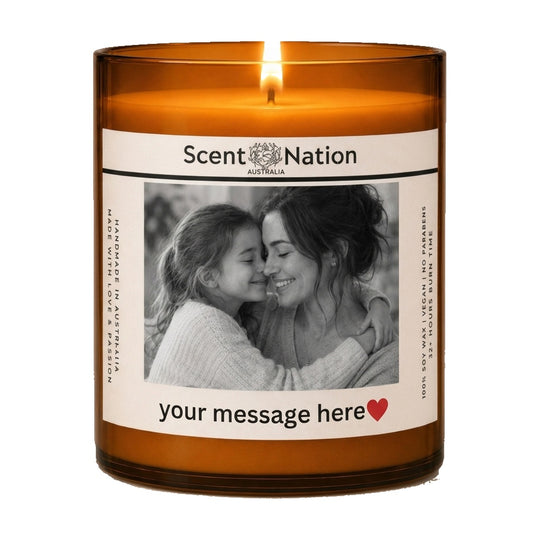
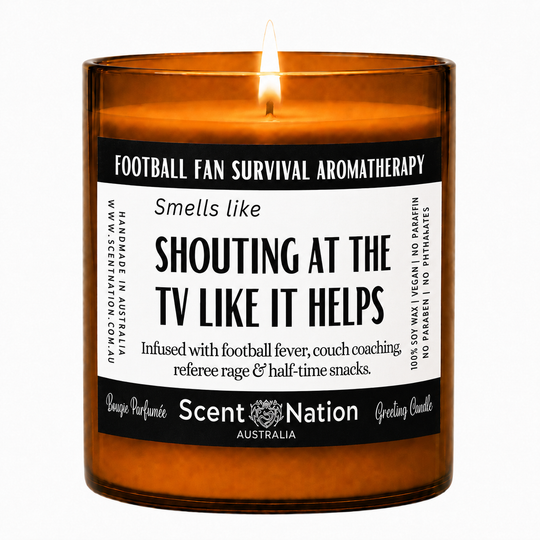
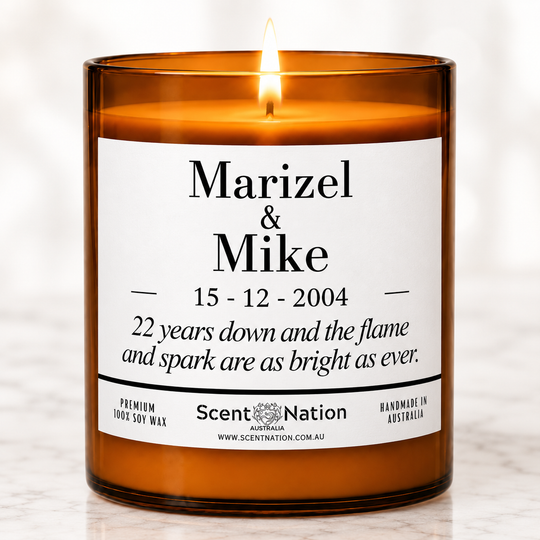
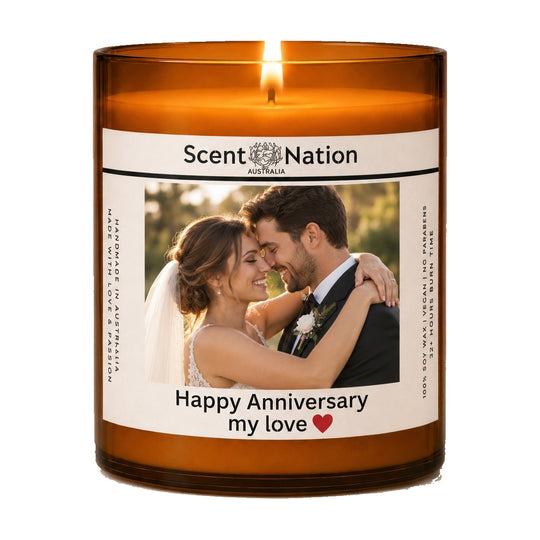
For someone who enjoys candles, browse personalised birthday gifts. Confirm which details the chosen design accepts, and use the personalised-gift guide to compare formats.
A practical guide to birthday gifts chosen by personality
Age identifies the occasion; it does not choose the present. Begin with what the person enjoys now and the relationship you share. A milestone can justify a keepsake, but it does not require one. Ask whether they are celebrating publicly, quietly or not at all, and make your gift fit that choice.
The situations below are illustrative gift ideas, with original sample wording. They are not customer stories or testimonials. Choose the direction that matches what you know about the recipient, and adapt the words to your own relationship.
Four ways to make the choice more personal
They have requested a specific item
Consider the requested present with a personal note. This direction works because listening can be more thoughtful than creating a surprise. Before committing, confirm the exact version or specification.
Possible wording: “You chose it. We are delighted to celebrate you.”
They value shared time
Consider an agreed experience with arrangements handled. This direction works because the gift creates a new memory. Before committing, confirm availability and the kind of outing they enjoy.
Possible wording: “A birthday day, your way”
They enjoy remembering milestones
Consider a photograph, date or place keepsake. This direction works because a recognisable memory makes the occasion personal. Before committing, confirm the name, age or date if printed.
Possible wording: “Your story deserves celebrating”
They dislike a fuss
Consider a modest private gesture. This direction works because the gift respects their preferred celebration. Before committing, confirm whether a gift is welcome.
Possible wording: “A little birthday wish, just for you”
Three questions to settle before choosing
- What would they enjoy without the birthday label?
- Have they asked for a particular present?
- Is a public surprise welcome?
Make an experience easy to accept and enjoy
An experience becomes a useful gift when the recipient can actually take part. Ask about the activity and availability before buying a fixed booking. Someone can love the idea of an outing and still find its location, date or duration inconvenient. A flexible plan is often easier to enjoy than a surprise that requires rearranging work or family commitments.
Decide what you are giving: the cost of the activity, your company, the planning, transport or a combination. Make that clear in the card. “I would love to take you for lunch; you choose the day” is a different present from a voucher the recipient must arrange alone. Neither is automatically better, but the expectations should be clear.
Check the provider’s current terms before committing. Look at booking requirements, expiry, cancellation arrangements and anything the recipient needs to bring or pay for separately. Do not present a fixed-date booking as flexible if the terms do not support that. Where practical details are important, choose together and let the personal note provide the surprise.
If the real gift is time together, give it a next step. Offer two possible dates, agree on a place or explain who will make the arrangements. Avoid leaving the recipient with an attractive promise that never becomes a plan. You can still include a small keepsake, but only if it adds meaning rather than becoming the main cost of an experience they wanted more.
Choose for a real routine, not an imagined lifestyle
Look for a habit the recipient already enjoys. They may read before bed, take a regular walk, keep a notebook, cook with family or make time for a hobby. Start there rather than creating a new routine for them. A gift that fits something they do can be easier to enjoy than a present that comes with an unspoken instruction to become a different kind of person.
Ask what feels inconvenient about that routine. The answer might be practical, such as carrying a book in a bag, or it might simply be that they would like more time. Solve one problem rather than buying a complete set of accessories. Check what they already own so the gift adds something useful instead of duplicating a familiar item.
If the routine involves fragrance, food or drink, find out the actual preference. A theme does not tell you a taste. Someone who loves cosy evenings may dislike scented candles; someone who enjoys cooking may have a specific dietary preference. Let those details guide the choice, and use a non-fragrance or non-food alternative when you cannot confirm them.
Keep the supporting items limited. One well-chosen main present and a note explaining the connection can be a complete gift. Extra pieces should help the recipient use or enjoy that main item. If each addition introduces a new guess about their taste, stop adding. The aim is to recognise the life they already enjoy, with room for them to choose how they use the present.
Check names, dates and wording before they become permanent
Copy the recipient’s preferred name from a reliable source rather than memory. Ask whether they use a nickname, full name, family title or a particular spelling. For a couple or group, check every name separately. One correct name does not make the rest of the order correct, and a family relationship does not automatically tell you how someone wants to be addressed on a display item.
Keep the date format clear. A written month can avoid ambiguity, but use the format supported by the product you are ordering. Verify the underlying date first: the ceremony date may differ from the date a course finished, and a moving date may differ from settlement. Choose the event you mean to remember rather than mixing several milestones into one line.
Read the final message aloud. This helps you hear whether it sounds like something you would actually say and whether a joke needs more explanation than the label allows. Check punctuation, apostrophes and any accent marks in names. Do not add a qualification, professional title or number of years simply because it looks impressive; include it only when it is confirmed.
Save one approved version before submitting the order. If family members are helping, ask them to correct that exact version rather than sending alternative drafts in separate messages. Check any character limit or available customisation field on the current product page. Where a detail is uncertain, leave it out or confirm it before ordering. A simple accurate design is stronger than a detailed guessed one.
Set a comfortable total before comparing gifts
Decide what you can comfortably spend before opening a long list of products. Treat the total as the limit, including any personalisation, delivery and wrapping you choose. A product price alone may not represent the amount paid at checkout. Use current information from the seller instead of assuming an old promotion or remembered shipping rate still applies.
Compare complete ideas rather than isolated objects. A requested modest item with a personal note may suit the recipient better than a larger hamper. An experience may carry extra travel or booking costs. A personalised present may have different options with different prices. Write down the whole plan so those differences are visible before you commit.
If the gift is shared, work with the contributions actually received, not the amount you hope people will pay. Choose a smaller appropriate present if the total is lower than expected. There is no need to make participants uncomfortable to preserve an ambitious idea. A clear message from the group can carry the meaning without a larger purchase.
When comparing the final two options, ask what the extra spend changes for the recipient. Does it improve usefulness, give them a preferred choice or preserve a meaningful detail? If it only makes the parcel look larger, it may not be worthwhile. A budget is a useful design constraint: it encourages you to choose the part of the gift that matters and remove the rest.
Short wording you can adapt
Use these original sample lines as a starting point. Keep the wording that sounds like you, and change or remove anything that does not fit the person. A short line can sit on an appropriate personalised item; the longer explanation belongs in the card. Check the actual customisation options and space available before ordering.
- For the year you choose next
- A little celebration of you
- More good memories ahead
- Your birthday. Your kind of day.
To make a line your own, add one accurate personal detail: the name they use, a memory they recognise or a brief reference to the occasion. You do not need to use all three. Read the result aloud before deciding whether it belongs on the gift itself or in a private note.
Check four details before paying
- Would the recipient enjoy the item without the birthday label?
- Does it need storage, upkeep or arrangements they may not want?
- Are names, age and dates correct?
- Is the full price, including delivery, comfortable for you?
If the gift will be opened publicly, also consider whether the humour or message is appropriate for that setting. A private joke can feel different in front of a room.
You do not have to solve the entire birthday with one object. A suitable gift, a specific note and some attention to what the person wants can be enough.