
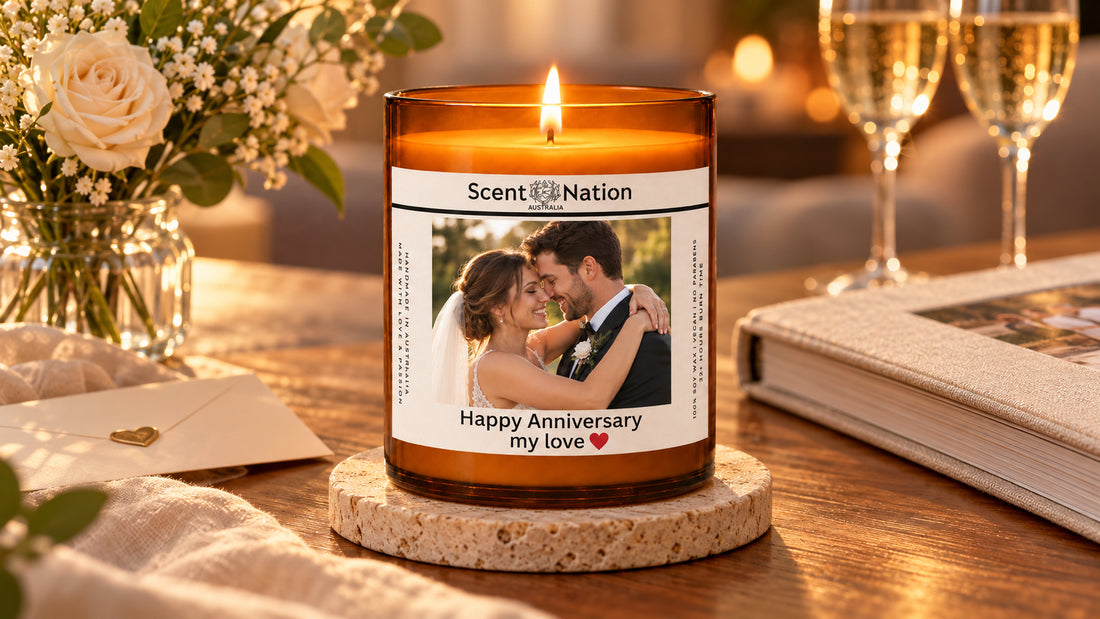
Anniversary gift traditions can give you a starting point when you are unsure what to buy. They are prompts, not rules: the recipient's preferences and the meaning of the occasion matter more than matching a material at any cost.
Lists vary, so decide which convention you are following before comparing products. You can also choose a personal alternative and explain the connection in the card.
A quick reference for familiar milestones
Hallmark's anniversary reference lists these traditional associations:
- First anniversary: paper.
- Fifth anniversary: wood.
- Tenth anniversary: tin.
- Fifteenth anniversary: crystal.
- Twentieth anniversary: china.
- Twenty-fifth anniversary: silver.
- Fortieth anniversary: ruby.
- Fiftieth anniversary: gold.
- Sixtieth anniversary: diamond.
This is a reference list, not a requirement to purchase jewellery, expensive materials or a product the couple would not otherwise want. If your family follows another tradition, use the one meaningful to them.
Interpret the theme without forcing it
For paper, a letter, photograph or book can be more personal than an item chosen only because it technically fits. For wood, an object should still suit the recipient's home and preferences. For precious-metal milestones, a colour or presentation detail can acknowledge the theme without claiming the gift contains that material.
Describe the product accurately. A candle marking a silver anniversary is not necessarily a silver object, and an anniversary label does not make a candle the traditional material for every year.
Choose a personal alternative
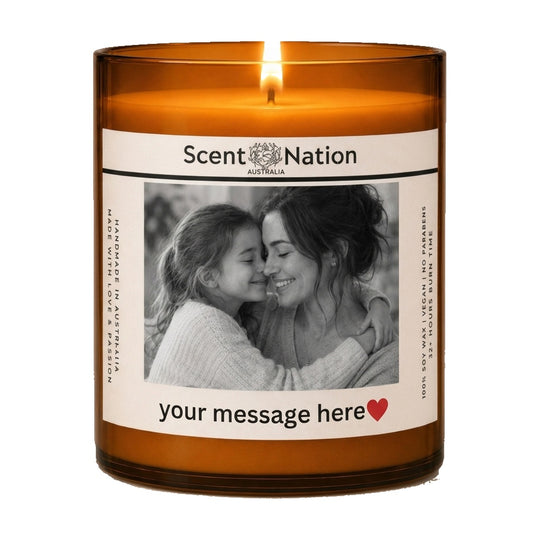
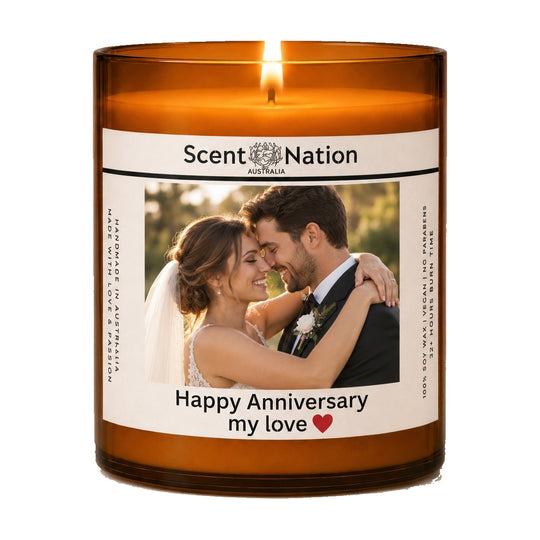
A shared place, meaningful date or photograph can tell the relationship's story. A planned experience may suit a couple who prefer time together to possessions. A requested practical item can also be thoughtful when it supports something they enjoy.
Browse our anniversary gifts by year collection for available occasion designs, then compare personalised anniversary gifts if the personal detail matters more than the traditional theme.
Check which anniversary you are marking
The wedding date, first meeting and other relationship milestones may all have meaning. Confirm the occasion rather than assuming which date the couple celebrates. If buying for someone else, check names and dates before ordering anything personalised.
A practical guide to anniversary gifts using traditions as a starting point
A traditional anniversary theme is an optional prompt, not a test the gift must pass. If you use a year-specific association, check the source and the system being followed, because lists can differ. Then decide whether the idea suits the couple. A shared memory, a requested experience or a meaningful date can be a better fit than a literal object they do not want.
The situations below are illustrative gift ideas, with original sample wording. They are not customer stories or testimonials. Choose the direction that matches what you know about the recipient, and adapt the words to your own relationship.
Four ways to make the choice more personal
They enjoy anniversary traditions
Consider a gift loosely inspired by the checked year theme. This direction works because the tradition provides a starting point. Before committing, confirm the year and the source of the association.
Possible wording: “Another year in your own story”
They prefer shared experiences
Consider an outing chosen together. This direction works because the anniversary creates a new memory. Before committing, confirm their availability and preferences.
Possible wording: “One more good day for the two of you”
A date has particular meaning
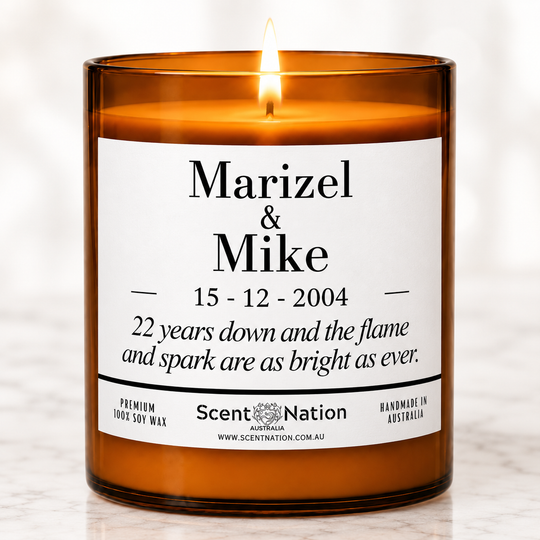
Consider a simple date-based keepsake. This direction works because the milestone is the personal detail. Before committing, confirm the original date and how they want it written.
Possible wording: “The date we still celebrate”
They dislike more household objects
Consider a letter or agreed consumable. This direction works because the gift honours their home preferences. Before committing, confirm whether a physical gift is welcome.
Possible wording: “More meaning, with room to enjoy it”
Three questions to settle before choosing
- Which anniversary system are you using?
- Does the theme suit the recipients?
- Would a personal alternative be more meaningful?
Keep personal symbolism separate from factual promises
A symbolic gift can be meaningful because the recipient enjoys the association. That does not make the symbolism a verified prediction about personality, compatibility, health or the future. Keep the wording clear about what is being offered: a design, a tradition or an interpretive theme that the recipient can enjoy in their own way.
Check the personal detail that connects the symbol to the recipient. A month-based design needs the correct month; a date-based design needs the complete accurate birthdate. If the product uses more than one system, read how those systems are applied rather than assuming you can determine every result from a single calendar-year label.
Look at the exact current product description and design. A collection name does not confirm every field or inclusion on every item. Choose the product for what it actually shows, and ask the maker when a required detail is unclear. Avoid turning a symbolic theme into a claim that one gift reveals a person’s true nature.
Finally, consider whether the recipient likes the symbolism. A deeply personalised zodiac or botanical gift may be welcome to one person and feel irrelevant to another. A name, photograph, date or shared place offers a personal alternative. The strongest connection is the person’s enjoyment of the chosen detail, not the amount of interpretive language you can fit on the label.
Make an experience easy to accept and enjoy
An experience becomes a useful gift when the recipient can actually take part. Ask about the activity and availability before buying a fixed booking. Someone can love the idea of an outing and still find its location, date or duration inconvenient. A flexible plan is often easier to enjoy than a surprise that requires rearranging work or family commitments.
Decide what you are giving: the cost of the activity, your company, the planning, transport or a combination. Make that clear in the card. “I would love to take you for lunch; you choose the day” is a different present from a voucher the recipient must arrange alone. Neither is automatically better, but the expectations should be clear.
Check the provider’s current terms before committing. Look at booking requirements, expiry, cancellation arrangements and anything the recipient needs to bring or pay for separately. Do not present a fixed-date booking as flexible if the terms do not support that. Where practical details are important, choose together and let the personal note provide the surprise.
If the real gift is time together, give it a next step. Offer two possible dates, agree on a place or explain who will make the arrangements. Avoid leaving the recipient with an attractive promise that never becomes a plan. You can still include a small keepsake, but only if it adds meaning rather than becoming the main cost of an experience they wanted more.
Decide how precisely to show a meaningful place
Write down the memory in an ordinary sentence before choosing a map or location design. “This is where we met” gives you a different brief from “This was our first home”. The design should express that sentence clearly. If you cannot explain why the place matters, a photograph or a simple message may be a better personal detail.
Check the location against something reliable, such as your own records or an agreed family memory. A familiar town name may be enough, while a venue or street can require closer checking. Do not add coordinates or an exact address simply because they look decorative. Those details are useful only when they are correct and wanted.
Think about where the present will be displayed. A private home address may not be appropriate on an item kept in a workplace, photographed publicly or given to someone who values privacy. You can often tell the same story through a town, neighbourhood or short caption. Let the recipient’s comfort set the level of detail.
Finally, separate the location from the date. You may know the place with certainty and still be unsure when the event happened. It is better to omit an uncertain date than to make a confident guess. Put only checked information on the permanent item, and use the card to describe the memory in your own words.
Give meaning without adding unwanted possessions
When someone prefers fewer objects, start by taking that preference seriously. Ask whether they would enjoy a consumable, shared activity, letter or specific practical help. Do not interpret a request for less clutter as a challenge to find an object too sentimental to refuse. A thoughtful present should leave the recipient free to enjoy it without finding a new place to store it.
A letter can carry a memory that a physical product would otherwise have carried. Describe one moment, explain what it meant to you and finish with a simple wish. Keep the note proportionate to the relationship. There is no need to collect every photograph or recount a whole life when one recognisable detail says enough.
Practical help needs agreement. Name the task, ask whether it would be useful and let the person set boundaries. Offering to help with an errand is different from deciding to reorganise their home. If they accept, arrange a time and follow through. The present is the useful work completed, not the announcement that you might help one day.
For consumables, choose a known preference and an amount they can comfortably use. A large box of unfamiliar products may create the same burden as décor. If you remain unsure, a choice made together can be warmer than a surprise selected against their wishes. The personal part can be your attention, your company and the fact that you listened.
Short wording you can adapt
Use these original sample lines as a starting point. Keep the wording that sounds like you, and change or remove anything that does not fit the person. A short line can sit on an appropriate personalised item; the longer explanation belongs in the card. Check the actual customisation options and space available before ordering.
- Another chapter, still together
- The years are yours to make
- For the life you have chosen
- One date, many good memories
To make a line your own, add one accurate personal detail: the name they use, a memory they recognise or a brief reference to the occasion. You do not need to use all three. Read the result aloud before deciding whether it belongs on the gift itself or in a private note.
Keep the message about the relationship
Try “For the life you keep making together” or a short reference to a memory you share. Our personalised-gift guide can help you choose between a name, image, date and place.
Use tradition to open up ideas, then let the people decide the final direction.